This blog post presents an op-ed by Defenders of Wildlife's Ben Prater in The Atlanta Journal-Constitution, unpacking the potential consequences of the Senate permitting reform bill (BAAJA) for Georgia's wildlife and wild places.
If you’ve been following the happenings in the U.S. Senate, outside of the historic midterm elections, your eye may have caught the proposed Bipartisan American Affordability and Jobs Act (BAAJA) of 2026, S.5653.
Bill summary: “This bill modifies federal permitting processes, including environmental reviews, to expedite a wide range of projects.”
The permitting bill is advertised as bringing new development and energy projects across the country.
While this might seem harmless enough, if you care about wildlife, public lands and a future that isn’t dependent on fossil fuels — the costs are steep, too steep in fact to be afforded.
What the bill means for Georgia wildlife, wild places
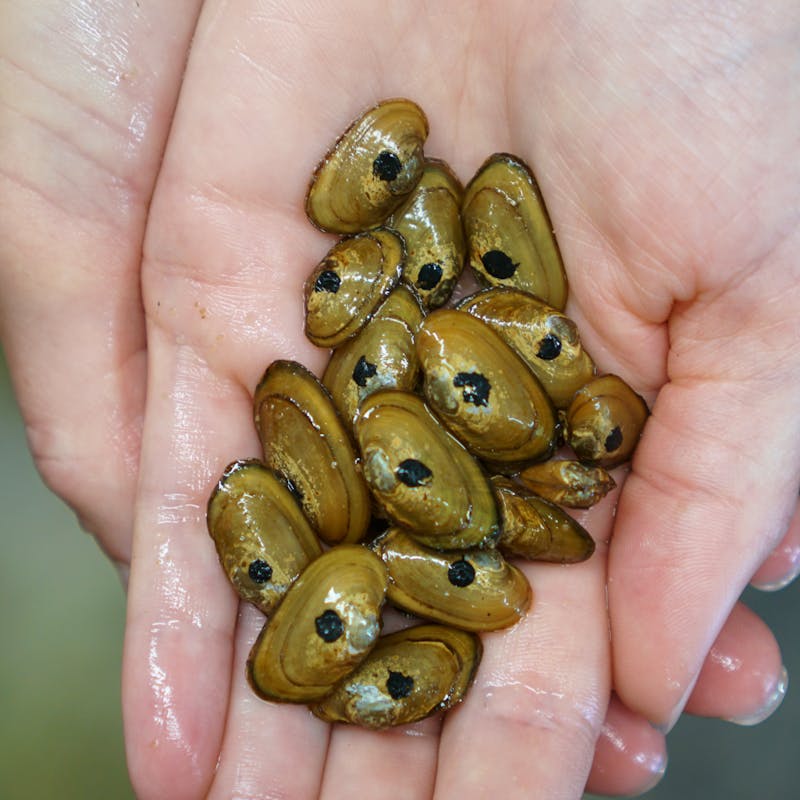
In Georgia, hunting, fishing and wildlife watching generate billions of dollars in annual revenue. The state is one of the most biologically rich in the country: Georgia is the third most populous state for amphibian, freshwater fish and mussels. It is also home to unique species like the gopher tortoise and its coastal waters are frequently visited by the critically endangered North Atlantic right whale.
Hunters, anglers and the 57% of adult Georgians who enjoy wildlife watching have a stake in keeping the state’s wild places intact so wildlife can thrive. These recreational pursuits are not simply pastimes; they’re traditions and cultures that have been passed down for generations.
As Georgia and the Southeast experience rapid development, impacts on wildlife and their habitat need to be considered. Yet for certain highway projects and clean water permits, the bill requires the government to completely ignore whether or not the project will jeopardize the existence of a threatened or endangered species.
Further, consider what this bill would mean for the expansion of data centers, which were squarely rejected by the American people during the midterm election. Making it easier for data centers to hook into the grid and locking in fossil fuel projects to power them, is directly contrary to that statement election.
We should not be making it harder to voice community input and easier to ignore environmental impacts that data centers may have on nearby neighborhoods or wildlife who live alongside us.
Development and wildlife protections are not at odds
Proponents of BAAJA want Americans to believe that development is being blocked by the Endangered Species Act. But the evidence is clear — these interests are not at odds.
A peer-reviewed study of 88,290 ESA-related consultations found that not one development project was stopped by an Endangered Species Act consultation. These reviews are also fast; more complex, formal reviews take only two months on average, and simpler, informal reviews take just two weeks.
Proper consultation, done in partnership with wildlife experts and developers, helps projects move forward responsibly and reduces needless harm to wildlife before construction begins. And taking these simple, scientifically driven steps works — the Endangered Species Act has prevented the extinction of 99% of all species that have been listed.
Yet the permitting bill would let states, which may not have the proper resources, staffing, or expertise in place, take over the Endangered Species Act consultation process.
There is nothing to indicate that up to 50 decentralized state bureaucracies will be as fast as the current federal program. And states taking on this new responsibility could politicize these scientific reviews or may compromise the quality of protection for endangered species.
Georgia U.S. Sens. Raphael Warnock and Jon Ossoff have taken action in the past to protect Georgia’s rich natural value and abundant wildlife. They should continue this legacy and vote against this dangerous bill.
What can you do?
As pressure mounts to needlessly push through a permitting deal that does little to address permitting delays and much to harm our communities, wildlife and public lands, it is more important than ever that Georgians make their voice heard by contacting Sens. Ossoff and Warnock and urging them to vote “no” on BAAJA.
We can build the development that America needs, while keeping our bedrock protections for wildlife and wild places intact. Georgians shouldn’t settle for anything less.
Ben Prater is Southeast program director at Defenders of Wildlife.