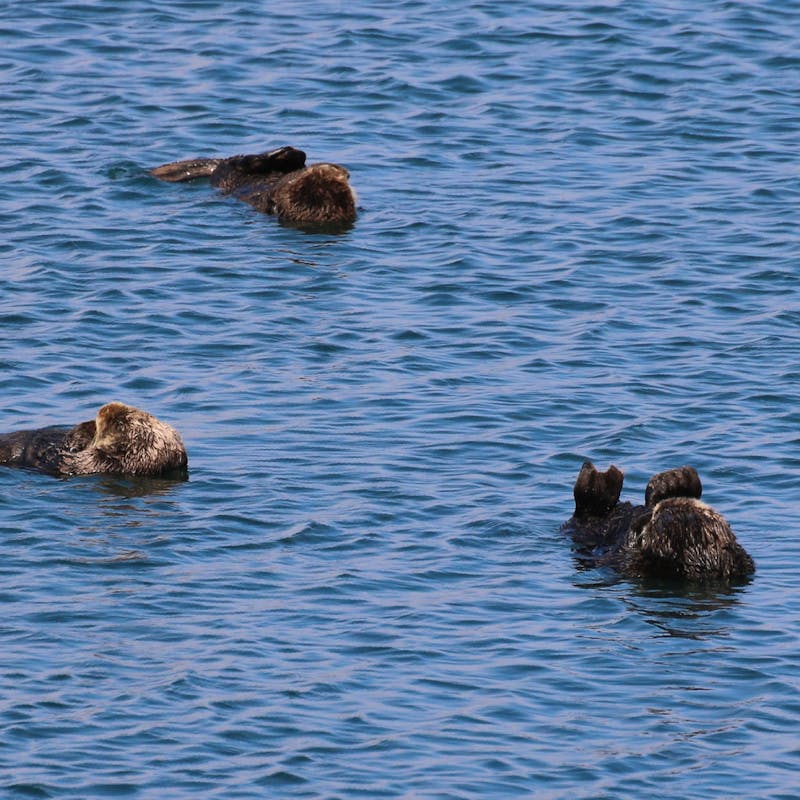
From the redwood forest to the Gulf Stream waters, communities take root in the land and in water. We live, work, laugh and grow alongside our human and animal neighbors alike. We may not know their names or always see them, but we recognize their songs, their tracks and, when they’re gone, their absence.
The revving of racing cars ringing in your ears. The fizz of red-cherry soda on your tongue and vinegary barbeque sauce making your mouth water. The stunning scenery of the Blue Ridge Mountains and Outer Banks. This is what comes to your senses when North Carolina comes to mind.
You may also find North Carolinians are proud of their roots and their resilience. Important traits for one of their most unique and endangered residents.

Meet the World’s Most Endangered Canid: The Red Wolf
Only lucky North Carolinians and tourists alike may find themselves crossing paths with the thin, reddish-coated Red Wolf. With less than 30 adults left in the wild, these wolves are a rare sight. The best chance of spotting one is on the Alligator River National Wildlife Refuge or Pocosin Lakes National Wildlife Refuge.
How to identify a Red Wolf
Red Wolves are not the only canid, or dog-like mammal, on North Carolina’s landscape. Coyotes, red foxes and grey foxes also call this beautiful state home.
Red Wolves are the largest of these four, averaging around 65 to 80 pounds. They also have longer legs and larger ears than coyotes. They are named for their rusty or reddish coat color.

Probably the easiest tell-tale is the orange reflective tracking collar nearly every wild Red Wolf over a year old wears.
North Carolina: A Return Home
What’s the draw, for a Red Wolf, to North Carolina? Red Wolves once roamed throughout the Eastern United States from Pennsylvania to Florida and as far west as Texas. Extirpated from their historic range by the late 1900s, and declared extinct in the wild in 1980, it was determined these wolves needed to return to North Carolina for a second chance at survival.

Federal biologists learned if they wanted to reintroduce this species, they needed a large area of land with as little possibility of human conflict and coyote interbreeding as possible.
At that time, the Albemarle Peninsula, specifically, was still incredibly remote, and, more importantly, known to be coyote-free.
After seven years of captive breeding and habitat research, Red Wolves became the first large carnivore to be reintroduced to a landscape in 1987 and the Red Wolf recovery program was the first predator recovery program in the U.S., serving as the model for most recoveries that followed.

Today the population is growing. Over the summer the Red Wolf Recovery Program confirmed the birth of four wild litters, estimating 12 to 16 pups total.
A Shared Home in Need of Protecting
Vehicular strikes, gunshot mortality and habitat degradation and lack of habitat connectivity are some of the biggest threats to Red Wolves today. Most importantly, there remains a lack of education and acceptance for the animal on the landscape. The good news is that both North Carolinians and visitors to the Tar Heel state can help.

Residents should aim to share the landscape with all wildlife, including our native predators. Properly securing attractants, like pet food and trash, and using motion-sensor lights as deterrents can help keep both your home and wild animals safe.
Anyone cruising the highways, particularly in Eastern North Carolina, should drive carefully and obey speed limits and road signage.
Better yet, use your vehicle to directly support Red Wolf conservation.

In 2027, North Carolinians will be able to display their pride for their resilient, endangered neighbor by purchasing a Red Wolf license plate! All proceeds from these specialty plates will go directly to help support the continued recovery of these animals.
In the meantime, residents and visitors can support recovery efforts when they visit a Saving Animals From Extinction (SAFE) program facility and learn about Red Wolves. Sharing facts about these animals can help promote acceptance and dispel myths. You may even get to see a captive Red Wolf!

Take Pride in Your Red Wolf Neighbors
Imagine North Carolina without its tangy barbeque. Imagine the stunning scenic lands without life teeming under the rocks, on the trees and splashing through the shoreline waters. What would the Tar Heel State look like if its residents, human and animal, were less resilient? Brittle.
The next time you take pride in being a Tar Heel, take pride in the wild souls who share this home with you. Secure attractants at your home to help reduce conflict with wildlife. Drive slowly and safely. Spot a wild Red Wolf running through Alligator River or Pocosin Lakes National Wildlife Refuge. And then, when you think you know it all about your fellow North Carolinian, challenge yourself to learn about the other wildlife sharing our beautiful home.
What's your favorite North Carolina wildlife? Have an incredible Red Wolf story? Share with us in the comments! Then, meet our next wild locals in Alaska.
Author

Heather Clarkson