From the redwood forest to the Gulf Stream waters, communities take root in the land and in water. We live, work, laugh and grow alongside our human and animal neighbors alike. We may not know their names or always see them, but we recognize their songs, their tracks and, when they’re gone, their absence.
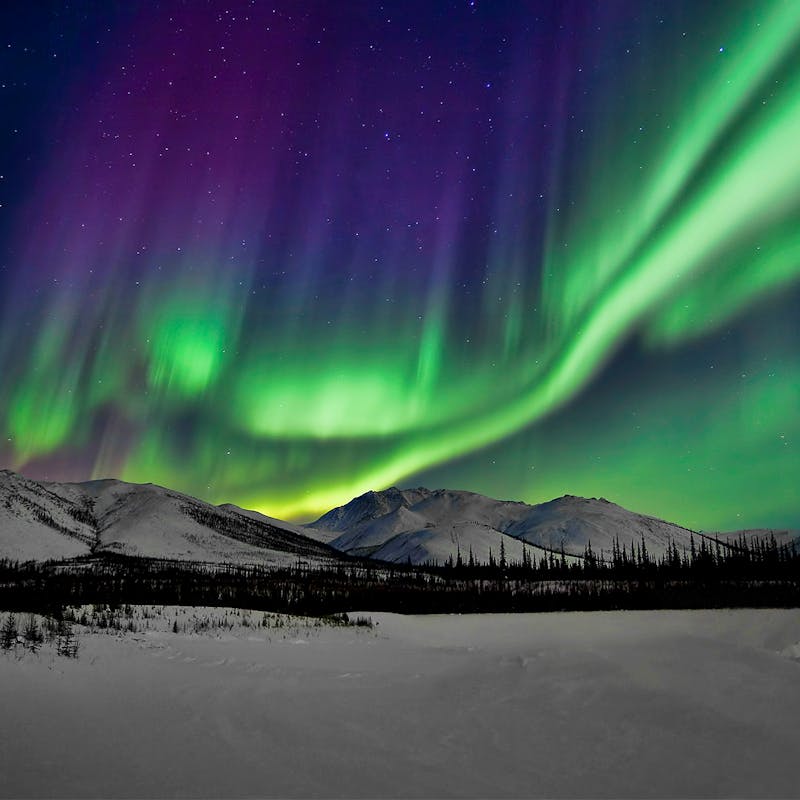
When you conjure images of Alaska, you get monumental mountains, icy tundras and vast, untouched wilderness where bears, moose, caribou, eagles and countless other animals thrive. Alaskan rivers course through the land, and the ocean laps at the shores, both bringing life to the Last Frontier.
Zooming in on one of the world’s largest tidal ranges at the most productive inlet in Alaska, we find Cook Inlet. Where wild Alaska meets modern Alaska. Where commercial fisheries, subsistence traditions, shipping, energy infrastructure and outdoor recreation all share some of the state's most important wildlife habitat. Habitat that supports a one-of-a-kind resident.

Meet the Belugas of Alaska
Alaskans and tourists alike may grab their binoculars and attempt a better look at the white hump breaching the water’s surface. Depending on where you stand on Alaska’s shore, you may be looking at one of five distinct populations, or stocks, of beluga whale.
Each population is not a separate species, but has distinct genetics, movements and habitat preferences. The Eastern Bering Sea, Eastern Chukchi Sea and Beaufort Sea populations all migrate around various marine regions of Alaska. Bristol Bay belugas only reside in the vast bay they are named after.
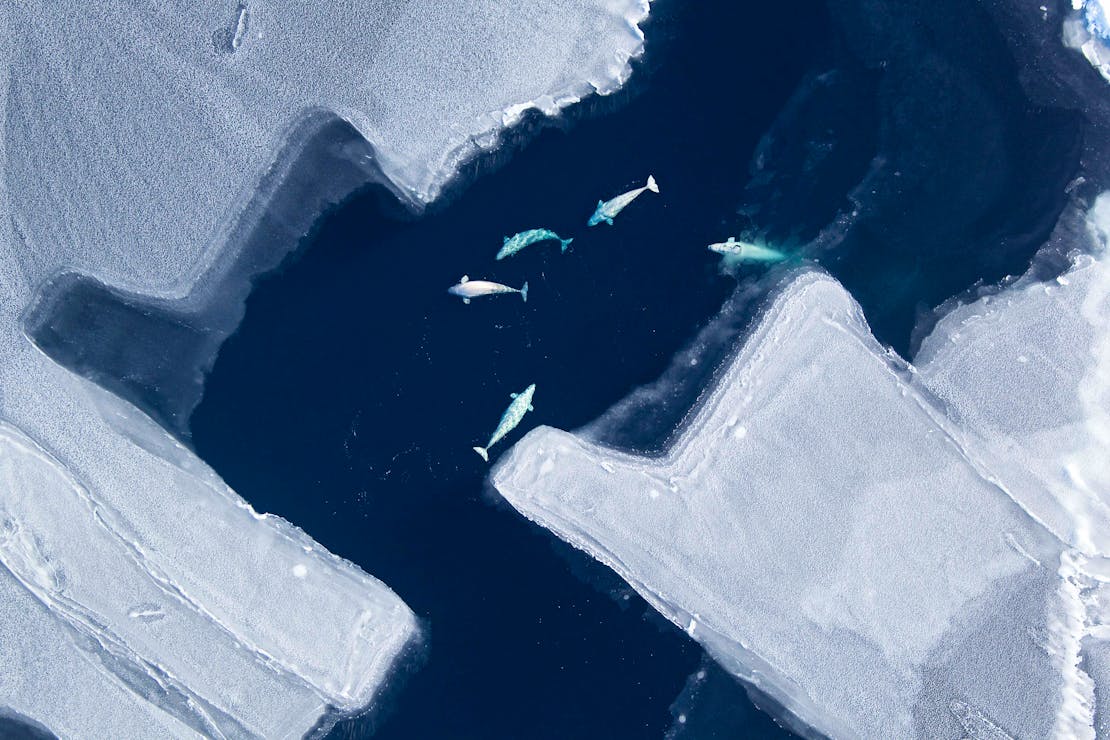
The Cook Inlet beluga population is particularly remarkable because it is the most geographically and genetically isolated of Alaska's belugas. They are also the most endangered.
Where can you see a Cook Inlet beluga?
You don't have to travel to some distant roadless corner of Alaska to find a genuinely wild and globally significant animal. And you don’t need a boat to see these magnificent white whales either.
Just stand on the shores around Turnagain Arm and Anchorage, particularly during spring and fall, and you may just witness an endangered population of wild whales.


Cook Inlet belugas don't undertake the long-distance seasonal migration of some other Alaska beluga populations. Instead, they make seasonal movements within Cook Inlet.
During the ice-free months, these whales concentrate in upper Cook Inlet around river mouths and shallow coastal areas where salmon and other prey are abundant. As winter arrives and ice develops in the upper inlet, they disperse into smaller groups and move farther south to deeper portions of the inlet and to Chinitna and Tuxedni bays.

Cook Inlet: An Extraordinary Habitat
What's the draw, for a beluga whale, to Cook Inlet? The rivers that feed Cook Inlet bring huge quantities of fresh water, sediment and nutrients. This creates productive estuarine environments and enormous tidal flats. Salmon and other prey also swim these rivers like highways into the inlet.
But there's another fascinating piece: Cook Inlet is incredibly muddy. Glacial runoff keeps the water turbid, or cloudy, sometimes with visibility more like chocolate milk than clear ocean water. So, belugas must rely heavily on their acoustic world — echolocation and communication — to navigate, hunt and stay connected.
You can sometimes hear these “canaries of the sea” click, chirp and whistle standing at the shoreline.

And like a canary, Cook Inlet belugas are indicators for a habitat at risk. These long-lived, highly mobile predators depend on productive coastal habitats. Changes in their behavior, distribution, diet, reproduction or body condition can signal what's happening in the ecosystem around them.
A Shared Home in Need of Protecting
One of the greatest challenges for Cook Inlet belugas is the cumulative effects of multiple stressors. They are exposed to human activity, changing prey availability, pollution, habitat changes and underwater noise. With only about 300 Cook Inlet belugas left, it’s critical for both Alaskans and visitors to help.
We can all do our part by helping protect the Cook Inlet. Residents should pay attention to proposed development and industrial activity. Use your voice to advocate for minimizing and repairing damage projects may cause. Everyone can also help keep Cook Inlet’s waters healthy by properly disposing of medicine, cleaning supplies and plastic products.
If you are boating in Cook Inlet, give whales room! Keep at least 300 feet away and reduce your speed in important feeding areas. If belugas are using a river or launch area, wait for them to move through before proceeding and never cut across their path.

Report what you see! Public sightings help scientists understand where belugas are and how they're using the inlet. The National Oceanic and Atmospheric Administration specifically encourages residents to report live sightings and stranded animals.
Residents and visitors can also help by sharing Cook Inlet beluga stories and facts. The more people who know about these whales means more can care and the more we can do together to help them!
Alaska displays its pride for this one-of-a-kind beluga through an annual Beluga Count! in early September. You can also volunteer as a beluga monitor throughout the year to help document presence and absence data about this population.
Caring about belugas is caring about Cook Inlet as a whole. Healthy beluga habitat means healthy rivers, salmon runs, wetlands, estuaries and coastal waters.

Take Pride in Your Whale Neighbors
Imagine Alaska without its magnificent mountains and icy tundras. Imagine the vast wilderness without eagles soaring, bears foraging and caribou migrating. What would the Last Frontier look like without its life-supporting waters and unique beluga whales? Devoid.
The next time you take pride in being an Alaskan, take pride in the wild souls who share this home with you. Respect the water and avoid polluting it. Report your whale sightings and give them room when sharing the rolling waves. Research and volunteer to help the white whales residing in the Cook Inlet. And then, when you think you know it all about your fellow Alaskan whale, challenge yourself to learn about the other wildlife sharing our beautiful home.
What's your favorite Alaska wildlife? Have an incredible beluga whale story? Share with us in the comments! Then, stay tuned for our next wild locals in Montana.
Author

Ragen Davey