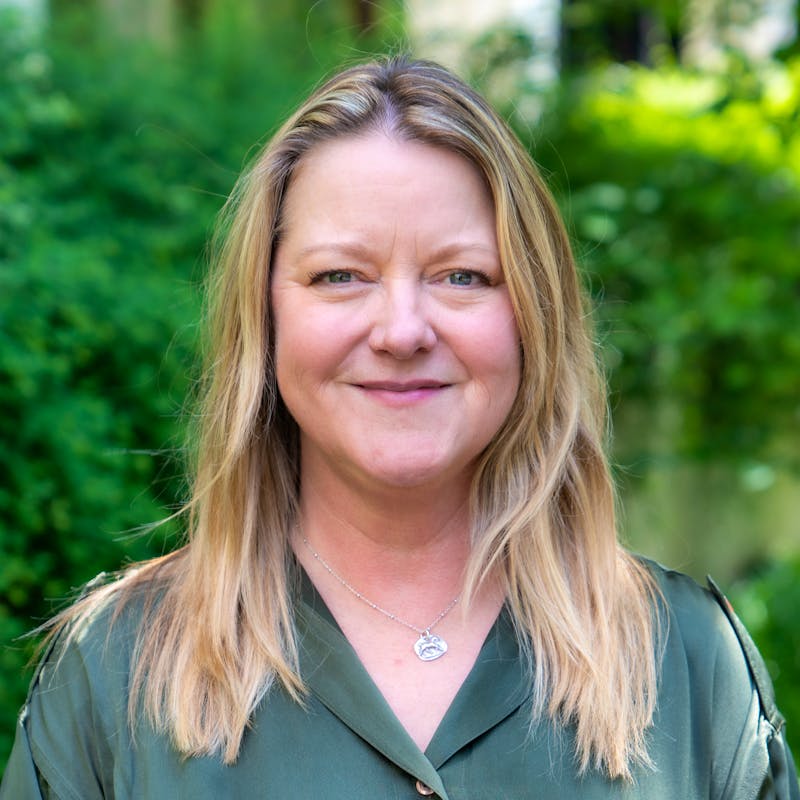
Tweet“Victories like these—they are one of the most rewarding parts of the work that we do,” said Chamois Andersen, Rockies and Plains senior representative at Defenders of Wildlife. “Working with imperiled species can often be discouraging because wildlife constantly face new challenges. But then we hear the news of not one, but two at-risk species welcoming offspring within their reintroduction programs, and we know that all of our efforts are worthwhile.”
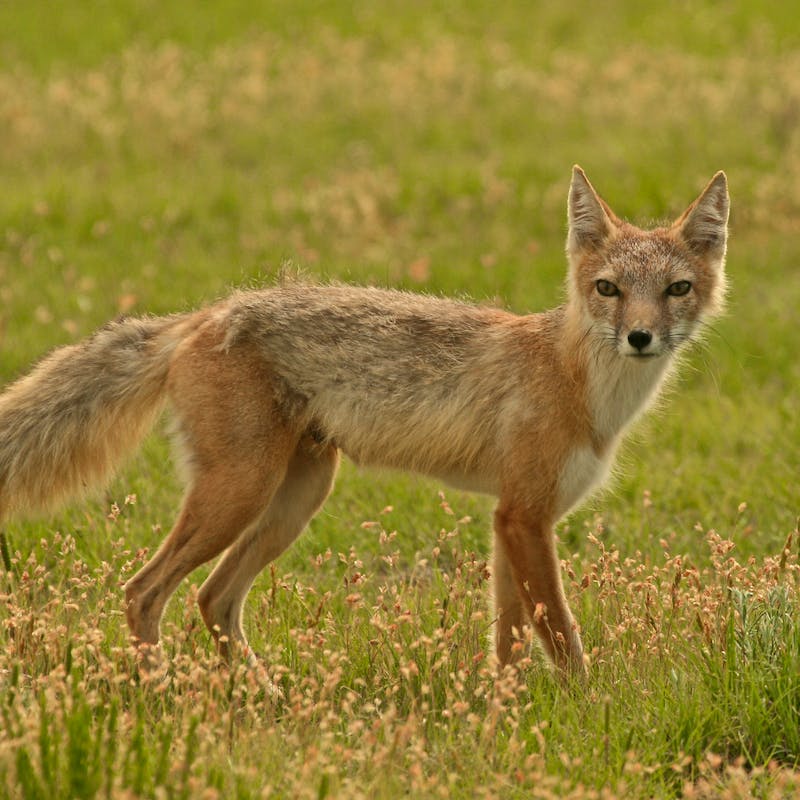
It’s baby season out on the Great Plains and new life is everywhere! Especially exciting for Defenders of Wildlife and our conservation partners is the birth of two vital species. For the first time in more than 50 years, there’s a new litter of swift foxes roaming the lands on the Fort Belknap Indian Reservation in Montana. And, for the first time in a century, three new bison calves were born in the Heartland Nature Preserve on the Southern Plains Land Trust in Colorado—with more potentially on the way.

“Victories like these—they are one of the most rewarding parts of the work that we do,” said Chamois Andersen, Rockies and Plains senior representative at Defenders of Wildlife. “Working with imperiled species can often be discouraging because wildlife constantly face new challenges. But then we hear the news of not one, but two at-risk species welcoming offspring within their reintroduction programs, and we know that all of our efforts are worthwhile.”
As a keystone species, American bison play a vital role in maintaining the shortgrass prairie ecosystem of the Great Plains by aerating soil with their hooves and naturally dispersing seed. Bison once numbered in the millions but were slaughtered en masse in the 1800s. Ultimately, there were fewer than 1,000 remaining.
Defenders, Colorado State University (CSU) and Southern Plains Land Trust (SPLT) joined forces and laid the ground work for these momentous bison births by relocating their mother and nine other bison to the area from Yellowstone National Park last December. By establishing this new herd, their hope is to assist in bringing bison out of ecological extinction.

Approximately 900 miles north of the new bison family, the swift fox recovery program of the Assiniboine and Gros Ventre Tribes of the Fort Belknap Indian Reservation recently saw success as well. A den site was located with a pair of swift fox along with four new pups.
“The tribes of Fort Belknap are leaders in wildlife restoration on the Great Plains,” said Andersen. “It is an honor to work with the Assiniboine and Gros Ventre Tribes and our other partners to accomplish this important work.”
Last September, Defenders partnered with Fort Belknap and the Smithsonian Conservation Biology Institute to help re-establish populations of these imperiled foxes through a five-year introduction program. This partnership brought 27 swift foxes from Wyoming where populations remain healthy and relocated them to their new home on the reservation. The birth of four new kits is a positive indication that swift foxes are on their way to becoming self-sustaining in northern Montana.
Like bison, swift foxes once thrived throughout the Great Plains of North America, but their populations crashed after widespread poisoning. As an indicator species, swift foxes help humans interpret the health of their surrounding grassland environment.
For nearly 80 years, Defenders of Wildlife has worked to protect and restore America’s wildlife at risk of extinction, advancing a vision of a future in which wildlife thrives, sustained by broad public support and a resilient network of healthy lands and waters. With a network of more than 2 million supporters, Defenders is an advocate for innovative solutions to safeguard wildlife for generations to come. To learn more, please visit https://defenders.org/newsroom or follow us on Instagram @defendersofwildlife.
Related

News

BLM Prepares Illegal Move to Open Ouray National Wildlife Refuge to Oil & Gas, a Dangerous Precedent for Wildlife
