A new study by Defenders of Wildlife's Center for Conservation Innovation (CCI), “Spatiotemporal patterns in golden-cheeked warbler (GCWA) breeding habitat quantity and suitability," was published last week in the scientific journal Avian Conservation and Ecology.
The golden-cheeked warbler, a Neotropical migratory songbird, is listed as endangered under the U.S. Endangered Species Act, and breeds exclusively in central Texas where population growth and urban sprawl are projected to continue at one of the highest rates in the country. Defenders’ researchers used land-cover and disturbance data spanning 1985 to 2018 to conduct a geospatial analysis to quantify changes and identify shifts in breeding-habitat quantity and suitability for the golden-cheeked warbler.
“Land cover conversion is one of the major threats to our threatened and endangered species in the U.S., continuing at a rate of two football fields per minute,” said lead researcher Lindsay Rosa, CCI Director for Defenders of Wildlife. “Our latest study examines land-use changes in golden-cheeked warbler breeding-habitat quantity and suitability over space and time. Unfortunately, conversion of lands to agricultural and urban uses is contributing to large declines in suitable habitat and increased forest fragmentation, which may pose a threat to species recovery.”
The study also found that declines in suitable habitat were smaller in protected areas, but there are few protected areas in Texas, making up less than 2% of the state and protecting only 10% of the suitable habitat in the breeding range.

“Our findings demonstrate a need to strengthen current conservation measures and identify priority lands for conservation protections within golden-cheeked warbler habitat. This will help ensure the availability of more suitable habitat, which should aid in species recovery,” said Bryan Bird, Director Southwest Program for Defenders of Wildlife. “Newer proposals, such as the Biden Administration’s America the Beautiful Initiative, to protect at least 30% of U.S. lands and waters by 2030, may provide additional opportunities for land designations and conservation efforts for imperiled species like the golden-cheeked warbler.”
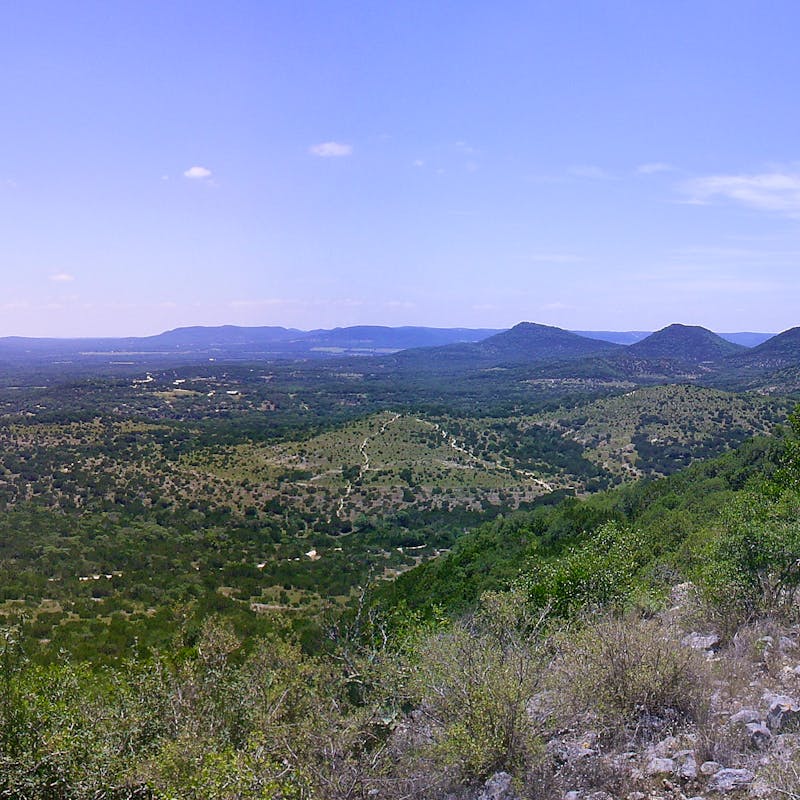
The study also recommends that future golden-cheeked warbler habitat conservation efforts prioritize supporting current protected areas and expanding protections in the Balcones Canyonlands and Fort Hood areas and regions west of San Antonio and Fort Worth to aid the species’ recovery. Texas Hill Country is projected to remain a stronghold for Ashe juniper trees in which GCWA nest, which would indicate that conservation investment in this area could have longer-term benefits for the species.
For nearly 80 years, Defenders of Wildlife has worked to protect and restore America’s wildlife at risk of extinction, advancing a vision of a future in which wildlife thrives, sustained by broad public support and a resilient network of healthy lands and waters. With a network of more than 2 million supporters, Defenders is an advocate for innovative solutions to safeguard wildlife for generations to come. To learn more, please visit https://defenders.org/newsroom or follow us on Instagram @defendersofwildlife.
Media Contact

Related

News

Permit to Harass Polar Bears on Coastal Plain Would Further Impact Declining Population
