
Join our mobile Rapid Response Network!
You can be the first to hear about how we’re going to hold this administration accountable and how you can fight back for wildlife!
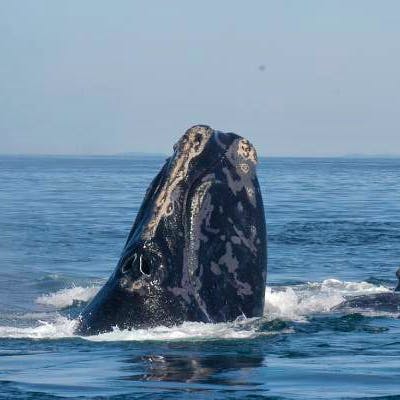
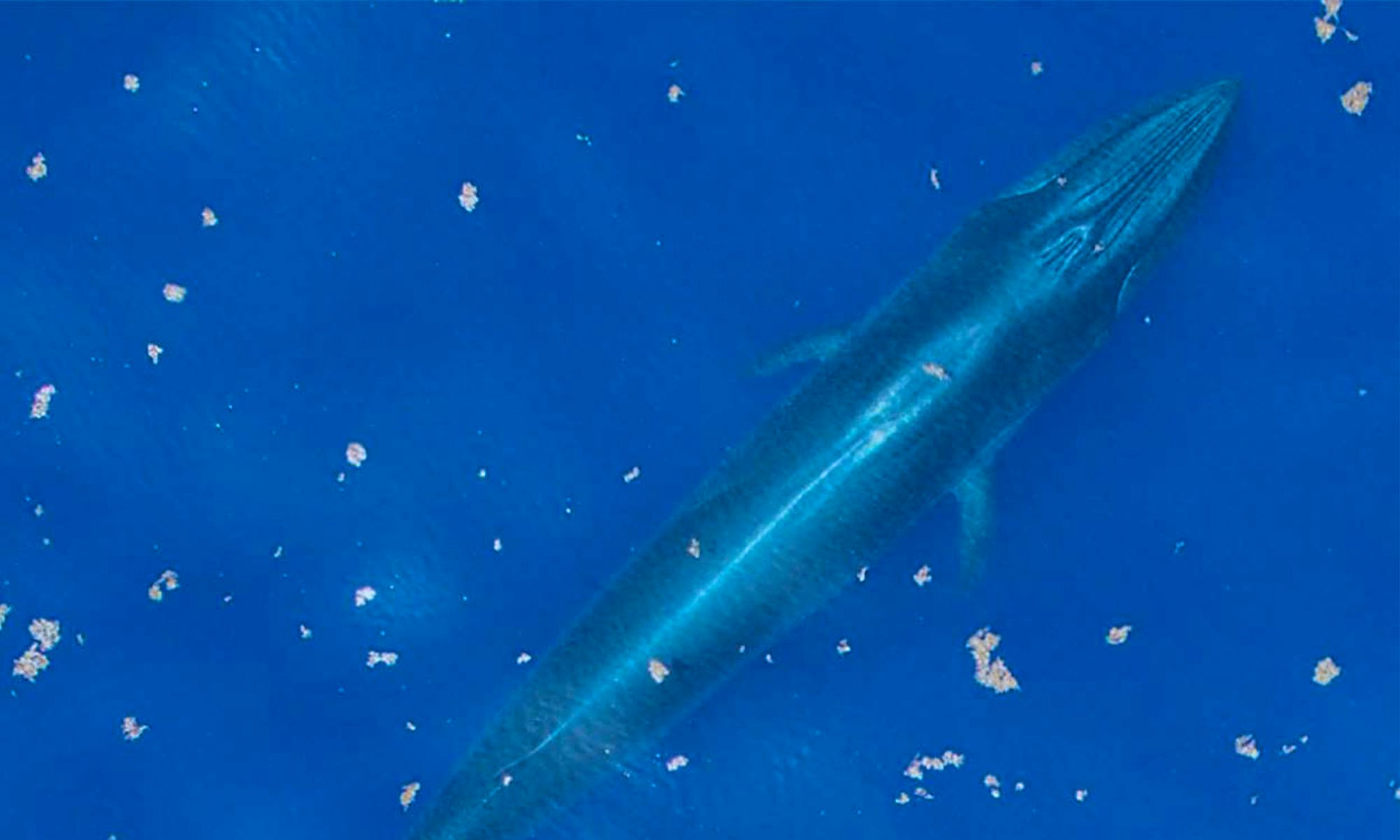
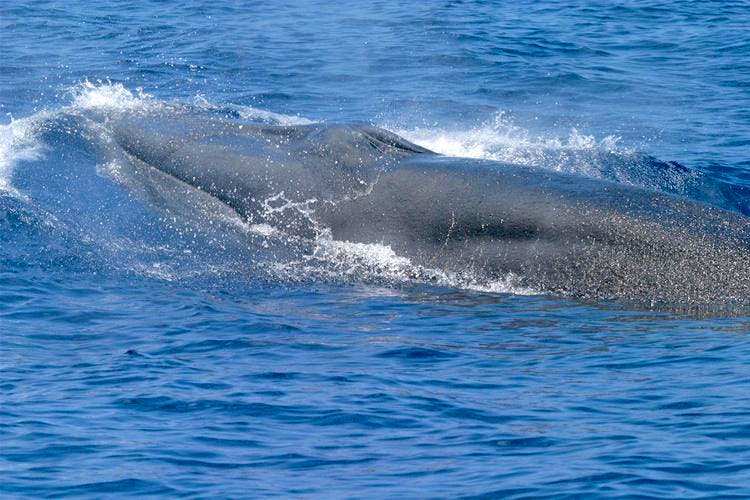
With sleek, gray bodies, broad flukes and a hooked dorsal fin, the Rice's whale is the only baleen whale that makes the Gulf of Mexico its full-time home.
Current data suggests this whale’s core habitat is the De Soto Canyon, an underwater canyon located about 60 miles offshore from Pensacola, Florida.
Why are Rice’s Whales endangered?
The Rice’s whale was heavily impacted by the 2010 Deepwater Horizon oil spill in the Gulf of Mexico, resulting in a population decline of up to 22%. These whales also live exclusively in a highly industrialized environment impacted by noise and pollution.
In January 2021, scientists determined the Rice's whale to be its own, distinct species, contrary to previous classifications as a population of Bryde’s whales. There are fewer than 100 Rice's whales remaining, and a “best estimate” population of 50 animals, so swift and decisive action is urgently needed to save this species from extinction.
Rice's whales are threatened by oil exploration and development, watercraft strikes, noise pollution, plastic pollution, fishing gear entanglement and habitat degradation.
Defenders' Impact
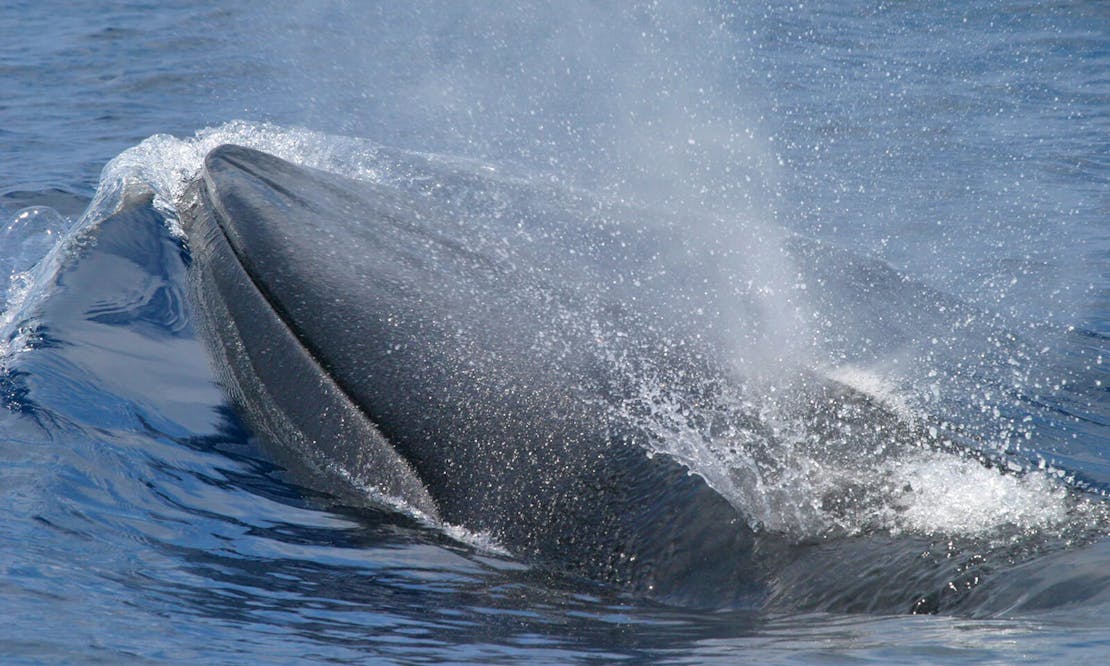
Defenders of Wildlife is working to protect this critically endangered whale through outreach and policy advocacy. Defenders opposes offshore drilling and exploration in the Gulf, in particular the Trump administration’s proposal to expand drilling into the deeper waters of the Easter Gulf of Mexico.
Defenders and partner organizations petitioned the National Marine Fisheries Service to set vessel speed limits around the Rice's whale’s core habitat, which would address a key threat. We also collaborated with conservation allies to advocate for a proposed critical habitat designation for this whale.
Defenders advocates against marine plastic pollution, another known danger to the Rice's whale.
What You Can Do
Obey posted signs, boat speed limits and viewing guidelines when encountering cetaceans.
Adopt the “reduce, reuse, recycle” principle to help keep plastic debris out of whales’ bodies. First, avoid plastic products, especially single-use products like plastic bags, whenever feasible. What you cannot avoid, reuse. Finally, recycle according to the rules in your area.
About
Rice’s whale’s core habitat is the northeastern Gulf of Mexico, mostly centered around the De Soto Canyon offshore from Pensacola, Florida, in waters that range from 500 to 1,345 feet deep. Their presence has been detected off the coast of Louisiana and as far west as the Flower Garden Banks National Marine Sanctuary offshore from Texas, as well as in Mexican waters.
There are fewer than 100 Gulf of Mexico whales remaining, and a “best estimate” population of 50 animals.
Gulf of Mexico whales are known to occasionally approach ships out of “curiosity,” like some other baleen whale species. They are typically observed alone or in pairs. They communicate by producing low-frequency calls.
Unknown. Speculations about the species’ reproductive behavior are based on Bryde’s whales worldwide, and this has been identified as a different species.
Scientists have not yet identified exactly what the Gulf of Mexico whale eats. Some suspected prey include lanternfish and hatchetfish. One study conducted by tagging a Gulf of Mexico whale found that while the whale remained within 50 feet of the surface for most of the night (88%), it dove repeatedly throughout the day to depths deeper than 650 feet, reaching the seafloor. In this study, the tagged whale was observed making “lunges” near the seafloor; behavior associated with feeding. This type of feeding is unusual for this type of whale.
Publications
News