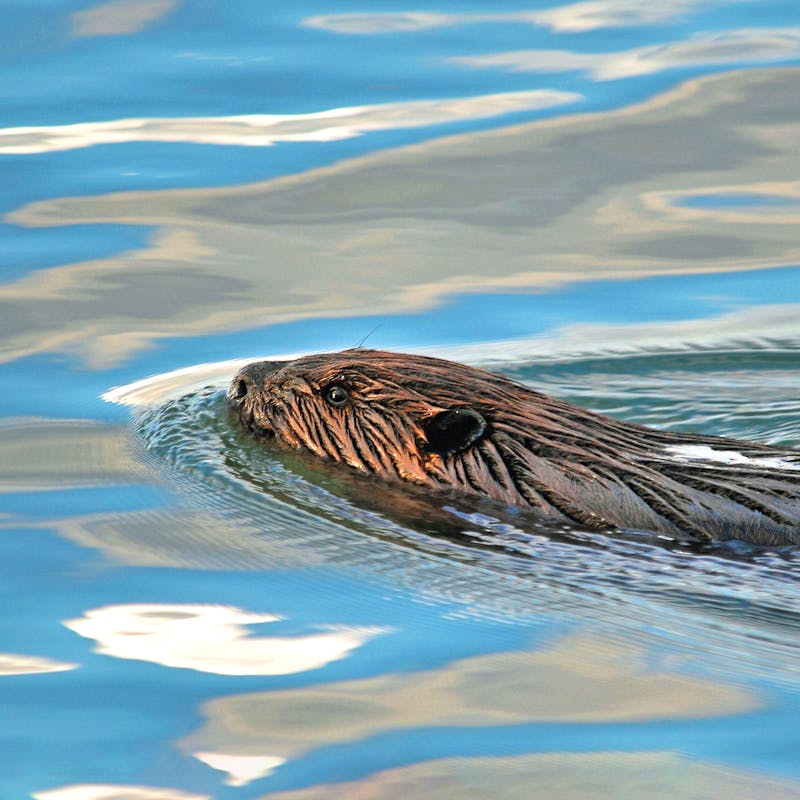
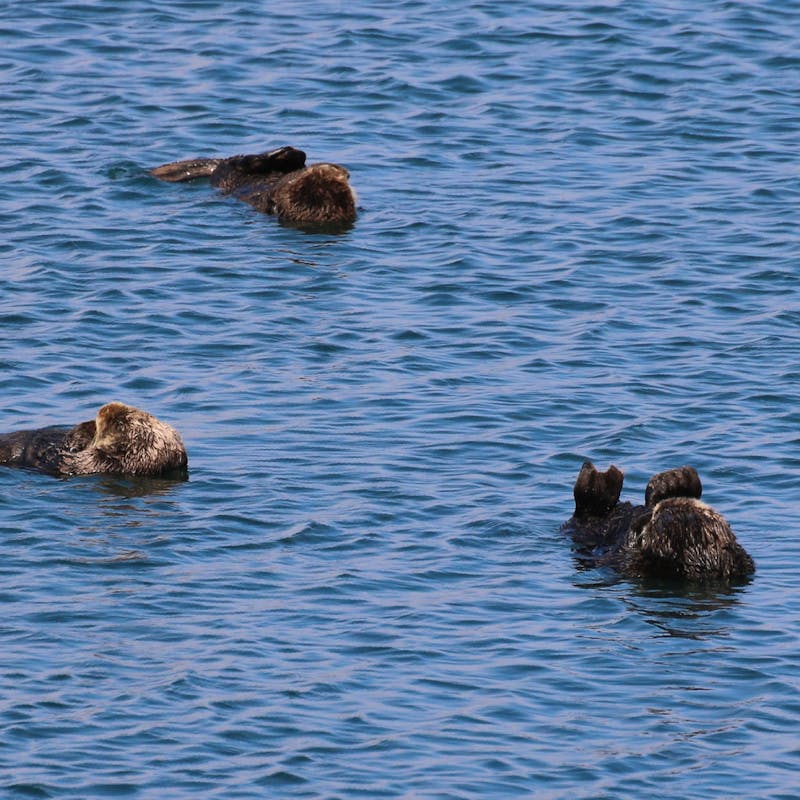
I watched the late afternoon sun sparkle and dance across the water of a Rio Grande tributary in northern New Mexico. I marveled at the healing this small river has undergone. Today, the riverbed is reconnected to its floodplain and flowing in numerous interconnected channels and wetlands. But a few years ago, this view was dramatically different as this river was eroded six feet below its bank and there were no beavers in sight.


What Was Taken from Our Rivers
Prior to European colonization, North American rivers contained millions of beaver dams and large amounts of woody debris, such as large dead trees. Soon, however, people began to rapidly remove woody debris and beavers were indiscriminately trapped to provide for the European fur trade. Prior to trapping, the North American beaver population was estimated to be around 400 million. It’s roughly 12 million today, and most experts believe beavers are functionally extinct, meaning they do not exist in numbers that result in ecosystem improvements.
After beaver removal, beaver dams disappeared. These dams acted like speed bumps for fast flowing water. Without them, rivers were scoured by floodwaters and began to incise or down cut, resulting in tall, steep riverbanks. Sinking rivers and towering banks prevented water from flowing into floodplains after heavy rains, an ecological process as important for river systems as food and water is for animals.

Under healthy conditions, floodplains absorb water like a sponge and, in doing so, raise underground water tables; create wetlands that increase biodiversity and provide habitats for imperiled wildlife; and, squeeze out water for rivers during drought, maintaining water flow year-round. But without a regular, healthy deluge of flood water, floodplains no longer store water, wetland habitats disappear, rivers go dry and plants die after losing access to ground water. This includes the vegetation beavers eat.
Giving back to rivers
Throughout the United States, people are pulling on waders, rolling up their sleeves and giving back to rivers what was taken from them long ago. Or rather, they are applying low-tech process-based restoration actions that mimic beaver activity and other natural processes.
This past summer and fall, Defenders of Wildlife and partners joined this effort in northern New Mexico. As part of a watershed-wide conservation plan, we are using low-tech process-based restoration to improve beaver habitat and restore river health in the Rio Grande’s tributaries. In other words, we are building beaver dams (installing beaver dam analogues) and throwing large trees into rivers (installing post-assisted log structures). Simply described, wood posts are pounded into riverbanks and riverbeds to secure woody debris in different configurations, mimicking fallen trees, log jams and beaver dams.

With this simple intervention, we are jumpstarting ecosystem recovery. These structures give rivers what they need to begin healing on their own, including providing the habitat beavers need. Beaver dam analogues slow the river down and raise water tables, allowing beaver food like cottonwoods and willows to grow again. All this then allows our furry friends to take over, increase their numbers and do what they do best, for free!
Once healthier rivers and beaver populations rebound, it doesn’t take long to watch the ecosystem as a whole begin to flourish. Improved river conditions and expanding wetlands allow imperiled monarch butterflies, fireflies, birds, bats, frogs and more to return. As beaver return and rivers groundwater levels rise, year-round running water creates habitat for the imperiled Rio Grande Cutthroat Trout and other fish. Ultimately this will result in water being sent downstream to the Rio Grande where the federally endangered Rio Grande silvery minnow, Southwestern willow flycatcher and western yellow-billed cuckoo all stand to benefit.

You can help by supporting Defenders' efforts to restore rivers and improve conditions for humans relying on water for their livelihoods and recreational pursuits. If we continue to give back to rivers, they will flourish, and we all will benefit.
Author