Happy New Year! Whether you’re making a resolution or just trying to plan a memorable trip for the year ahead, there are some unforgettable wildlife moments you should have on your radar. From sky-high migrations to dramatic behaviors on the prairie, the year is packed with wildlife spectacles that are well worth the travel. Journey ahead and take note of some of the most exciting wildlife events of 2026!

1. Sandhill Crane Migration
When: Between March and April
Where: Platte River, Kearny, Nebraska
Wildlife enthusiasts from all over the world flock to Nebraska every year for the largest crane migration in the world. Over 650,000 Sandhill Cranes pause their northward migration in the Platte River Valley to rest and nourish themselves. The river is shallow but wide, allowing the sandhill cranes to roost on the sandbar at night and feast on the agricultural waste grain. The weight they gain here helps the cranes prepare for the long journey ahead, as some have destinations as far as Siberia.
Check out the local wildlife centers for sunrise and sunset tours. Regardless of your birding passion or ability, this migration event is not to be missed!

2. Sea Turtle Nesting
When: May or June to October
Where: Florida
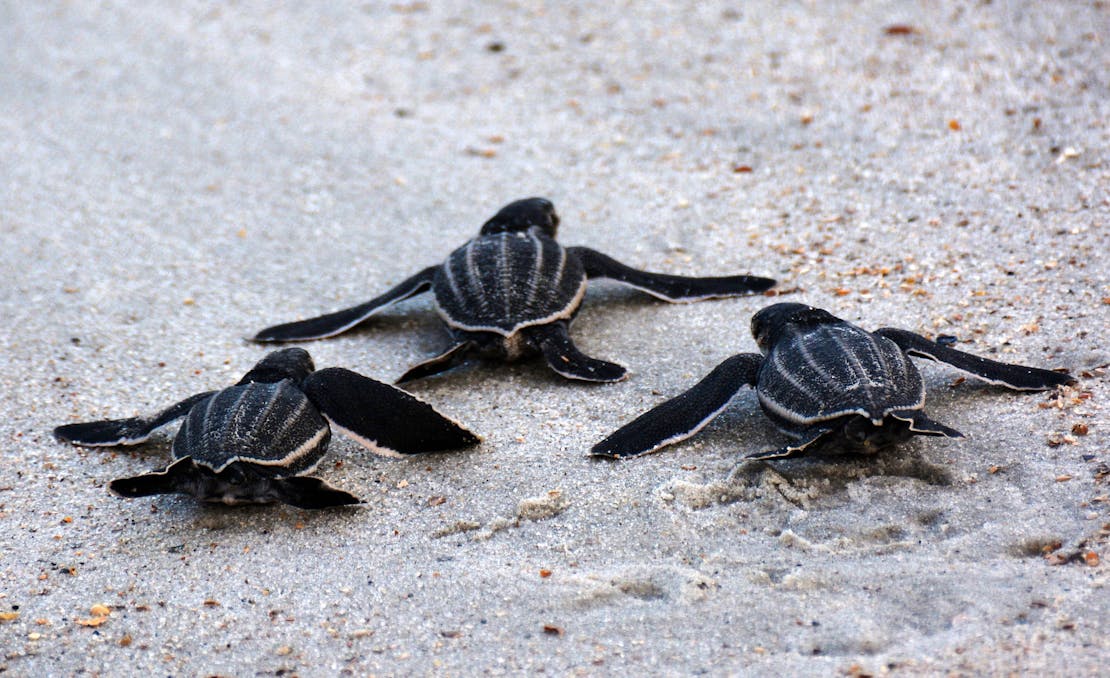
All along Florida’s coasts, newly hatched sea turtles clumsily push their tiny flippers from the sand dunes to the open waters of the Atlantic Ocean, leaving behind little tracks in the sand.
One of the best places to see hatchlings is the Archie Carr National Wildlife Refuge, which stretches across 20 miles of shoreline between Melbourne Beach and Wabasso beach on Florida’s east coast. Always obey beach signs and closures, as it is illegal to disturb nesting sea turtles or their hatchlings. These creatures are protected under the Endangered Species Act and the Florida Marine Protection Act.
3. Alaska Salmon Run & Brown Bears at Brooks Falls
When: June and July
Where: Brook Falls, Katmai National Park, Alaska
As summer settles in Alaska, sockeye salmon are making their famous journey from the Pacific Ocean to the Manek River Watershed. Standing between these fish and their final spawning grounds in the Brooks River is Brooks Fall. Between June and July, up to 400,000 salmon will successfully leap into and up the waterfall.
Such a spectacle garners the attention of hungry locals. Brown bears station themselves at the top of the falls, where they will compete for the best catch of the day. Many capture more than 30 salmon per day! Bald eagles and an occasional wolf are also seen trying to snag a salmon for dinner themselves.
Can’t make it to Katmai National Park? Checkout one of their Brooks Falls webcams to get in on the action remotely!

4. Bison Rut
When: July and August
Where: Yellowstone National Park
In the late summer, Yellowstone National Park transforms into a dynamic showcase of powerful and dramatic bison behavior. Rut, a term for mating season, lasts from June through September, but most of the action takes place between July and August. Male bison, known as bulls, exhibit various behaviors like bellowing, sparring and wallowing to attract females and establish dominance in the herd. Visitors can best witness the bison rut from the Lamar and Hayden Valleys.

5. Elk Rut
When: September
Where: Rocky Mountain National Park
Starting on September 1, Rocky Mountain National Park’s annual meadow closures go into effect. These closures are implemented during elk rut season. Similar to bison, male elk make loud bugling sounds, spar and display dominance as they attract females to their harem.
Remember to keep your distance when viewing all wildlife and treat the animals and their habitats with respect when visiting.

6. Raptor Migration
When: October
Where: Appalachian Mountains, Pennsylvania
The Appalachian Mountains provide a perfect passageway for migrating birds in the early autumn months. During this time, bald eagles, broad-winged hawks and 16 other raptors can be seen utilizing thermal lifts provided by Pennsylvania’s mountain ridges as they migrate to their winter destinations throughout the east and along the Atlantic coastline.
The Kittatinny Ridge is the most southeastern ridge of the Northern Appalachians and where most of the raptors congregate. Internationally recognized as a critical migratory corridor, Kittatinny Ridge is also the largest designated Important Bird Area in Pennsylvania. This event is not to be missed by wildlife fanatics!

7. Monarch Butterfly Migration
When: Late Fall to Early Spring
Where: California and Texas
Monarchs are the only butterfly known to make a two-way migration, like birds. Some butterflies can overwinter in their different life stages, but monarchs cannot survive the colder winters of northern climates. Using air currents and thermals to travel long distances, some monarchs will fly as far as 3,000 miles to reach their winter destination. Monarch Grove Sanctuary in the Pacific Grove of California and Balcones Canyonlands National Wildlife Refuge in the Hill Country of Texas are the best places to view this migration in the United States.
Record heatwaves and droughts in their northern grounds caused the 2024 monarch butterfly population to drop, so it is critical for every butterfly to make the journey.

8. Gray Whale Migration
When: December to May
Where: Pacific Northwest Coasts
Watch the horizon for one of nature’s most magnificent travelers: the gray whale. These beautiful beasts take on the longest migration of any mammal, with thousands of gray whales making a 14,000-mile migration from the Arctic to Baja California.
These whales pass through the Northern California coastline twice between December and May. The whales' southbound journey peaks in December and January, and their northbound voyage occurs from mid-February through May, offering multiple whale-spotting opportunities. Be sure to look up the best viewing times for the specific destination you are visiting when planning your trip.

Whether it is the giants of the deep, creatures of the land or winged-travelers, the year is full of inspiring wildlife experiences. Plan ahead, stay curious, and always respect wildlife and their wild places along the way!
Author