Colorado is gearing up to welcome back one of nature's most fearless creatures: the wolverine. These powerful, medium-sized members of the weasel family are uniquely adapted for cold, high-alpine environments where few other animals can survive.

After receiving Endangered Species Act protections in 2023, Colorado passed a bipartisan bill that allows Colorado Parks and Wildlife to reintroduce the wolverine, a native species. There are now plans to release the first wolverines as early as winter of 2027.
Defenders of Wildlife and our partners in Colorado hosted a 16-event series throughout last summer to dive into wolverine biology and restoration. Turns out, people had a lot of questions about wolverines and their reintroduction. Here are some of the most asked questions and their answers.
What does a wolverine eat?
Almost anything! Wolverines are nature's ultimate scavengers and are opportunistic hunters. They roam massive territories searching for carcasses, using their incredible sense of smell to locate meat sometimes buried feet beneath the snow.

During the summer when more animals are around, wolverines may actively hunt smaller prey like marmots, rabbits, squirrels, birds and fish. They'll also eat eggs, plants and berries when available. In Colorado, the state's abundant marmot population will likely become their preferred prey.
This flexible diet makes wolverines incredibly resilient survivors in an unforgiving alpine environment.
What eats a wolverine?
Very few animals mess with wolverines, and for good reason. These weasels can typically defend themselves by sheer ferocity and intimidation before a confrontation even starts. If that doesn’t work, their big claws and a strong bite combined with their superior agility in the snow make them a formidable opponent not worth the energy for most attackers.

Larger predators like mountain lions or wolves may occasionally kill a young wolverine, but this is likely due to territorial disputes rather than hunting for food. The real threat to wolverines isn't other predators, but human activities like poisoning and trapping — which caused their populations to disappear from Colorado in the first place — habitat loss, and climate change.
How do wolverines affect their ecosystem?
Wolverines play an important role as nature's cleanup crew. By scavenging dead animals, they help recycle nutrients back into the ecosystem and reduce disease spread by eating carcasses. Because wolverines are opportunistic feeders and exist in very low numbers, they're extremely unlikely to significantly reduce prey populations when they hunt.
Their presence also helps restore a more complete alpine ecosystem, repairing the natural relationships that have been missing since they disappeared from Colorado.

What are differences between males and females?
Male wolverines are significantly larger than females, weighing 25 to 55 pounds compared to females' 15 to 30 pounds. However, both sexes share the same stocky build, bushy tails and similar coloring.
The biggest behavioral difference is their dispersal, or when animals move away from where they were born to find new places to live and start families. Male wolverines may travel hundreds of miles to establish new territories, but females typically stay close to their birthplace and maintain smaller home ranges.
This is one of the main reasons why wolverine populations struggle to naturally expand into new areas and why an intentional reintroduction effort in Colorado is so important. Bringing wolverines, especially females, directly to Colorado allows wildlife experts to re-establish a population in some of the best remaining wolverine habitat left in the United States.
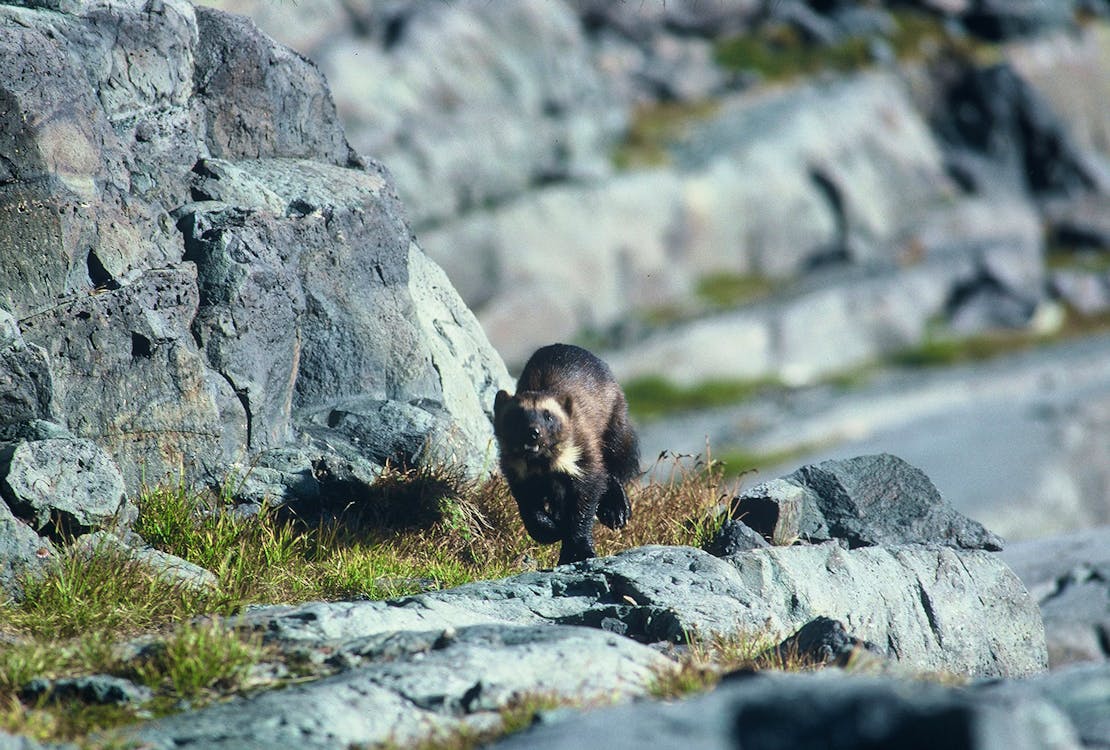
Does Colorado have suitable habitat for wolverines, and how might warming temperatures affect them?
Yes, Colorado has excellent wolverine habitat! In fact, the state boasts an estimated 7 million acres of suitable high-alpine habitat. This includes mountains that are predicted to stay colder and snowier compared to where wolverines currently live in the lower 48.
Wolverines face a significant challenge, however, from warming temperatures. They need deep spring snowpack for denning, where females safely raise their young in the snow. As temperatures rise and snowpack decreases over time, this critical habitat could shrink. That's why reintroduction is urgent. We need to establish a healthy wolverine population in Colorado's ideal mountain habitat while conditions remain favorable, giving this species the best chance at long-term survival in the southern Rockies.

How do you know this will work?
While we can't predict the future with certainty, several factors make us confident the reintroduction of wolverines to Colorado will be successful.
First, restoring native wildlife is crucial for the survival of wild ecosystems and is a worthwhile endeavor. Second, CPW has a proven track record of successful wildlife reintroductions, including lynx — which share somewhat similar habitat with wolverines — and black-footed ferrets, which are fellow members of the weasel family. The state's top wildlife biologists are leading this effort, bringing decades of expertise to the table.
This reintroduction isn't happening on a whim. Decades of research, planning, and careful preparation have gone into developing a science-based strategy. This effort also has bipartisan support from legislators and broad public backing across Colorado. This shared commitment means we're moving forward from a place of common ground and shared values, which gives the reintroduction effort the best possible foundation for long-term success.

What you can do now
Now that you know a little more about these incredible animals, it's clear why bringing them back matters so much. Whether you're a hiker, skier, hunter or all-around wildlife enthusiast, you can help by learning more about wolverines, helping officials craft strong policies and spreading the word about why wildlife matters.
Keep your eyes on the high country, because Colorado is about to get a whole lot wilder!
Author