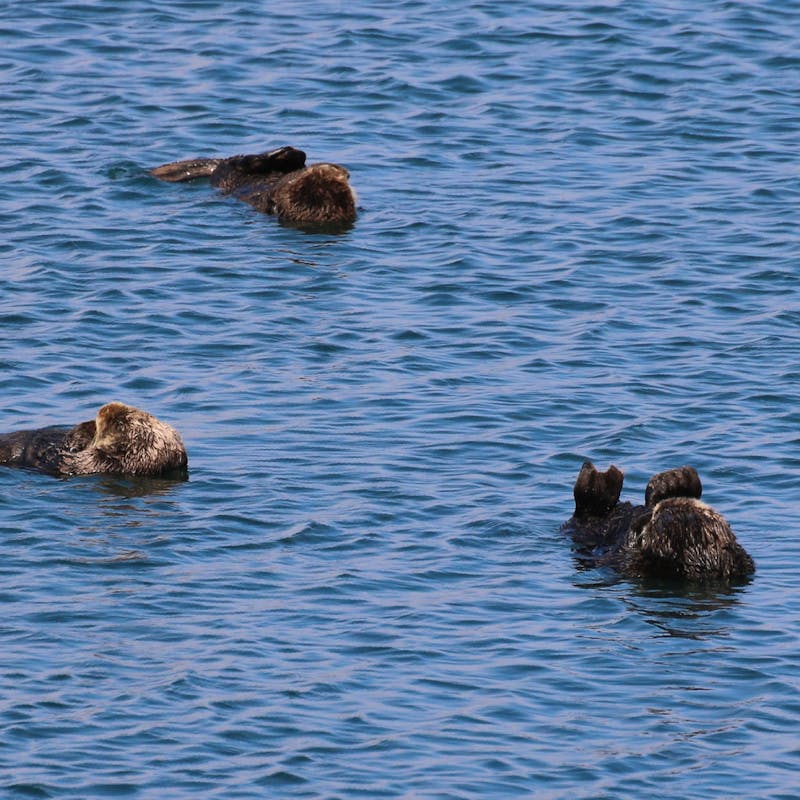
I kept thinking “if other people could see this, there’s no way they wouldn’t do everything possible to save it.” - Ashley Holmes, Defenders of Wildlife multimedia specialist
In a world filled with bright screens and buzzing phones, nature can offer great reprieve. Photographing wild, beautiful or amazing moments in nature can offer a way to connect deeper with the world. You don’t have to consider yourself a “wildlife photographer” for your photos to inspire others to explore and save the wild subjects.
Get to know Ashley Holmes and snag five tips to improve your own wildlife photography skills.

Where did you capture your spark for wildlife?
I’m from New York, but upstate. Six million acres of forests, mountains and lakes in my home state gave me some of my first wildlife experiences. Family trips to the iconic Adirondack Mountains kickstarted my love of nature and animals. I heard loons across the pond from our campsite, witnessed a moose cross the road and spotted my very first porcupine high up in a tree.
During cold upstate winters when I was stuck home in the suburbs, media like the children’s show Zoboomafoo or my Wildlife Fact File kept me engaged and learning about incredible animals all over the world.

When did a love for wildlife become a career?
My passion for wildlife only grew, and once I discovered my eventual college major — Animal Behavior, Ecology and Conservation (yes, that is one major) — the rest was history.
The program offered incredible educational travel opportunities to learn about wildlife. My first trip to Indonesia changed everything. With a Nikon D3100 in hand, I tried to capture every part of the trip as best I could. I followed a siamang through dense rainforest and orangutans swinging effortlessly through treetops. I even visited a rare Sumatran rhino sanctuary! I kept thinking “if other people could see this, there’s no way they wouldn’t do everything possible to save it.”
My photography skills at the time were nonexistent, but the blurry, opportunistic moments I captured sparked a storyteller inside me. They made my tales back home more tangible and showcased the beauty of wildlife in a way I could only hope to describe. And best yet, my photographs lead to discussions, questions and curiosity about wildlife.

Do you call yourself a “Wildlife Photographer?”
No, not really. Instead, I consider myself a wildlife enthusiast with more than average camera knowledge, a love of exploration, and a desire to see and learn about as much wildlife as possible. But “photographer” or not, I have learned some important lessons while looking for and catching wildlife on camera!
What are your top five tips for capturing the best animal photo?
1. Patience is a virtue.
Wildlife is just that, wild. It doesn’t show up when you want and sometimes you have to wait for a long, long time before something does. Locating places where animals regularly visit can certainly help though.

2. Learn about animal behavior.
While animals can be unpredictable, a lot of their behavior is very predictable. Learning about animals you plan to see ahead of time can help you find them or capture unique behavior.

3. Locals know best.
No matter how much you know, or think you know, a local guide is an invaluable resource in photographing wildlife. They have the best knowledge of the local landscape and resident animals.

4. Better equipment does not automatically make you a better photographer.
Like any technology, better equipment has its perks, but you need to know how to use it to be a better photographer. The learning curve with new equipment is always steeper than you think it will be. It’s good to practice and build on your skills and then give yourself time to adjust to a new piece of equipment when you go for an upgrade.

5. Never stop looking.
Having determination is critical while photographing wildlife. Animals may not be where you expect them, but if you keep your eyes peeled, you may just be rewarded.

Sure, this last photo isn’t the best one featured, but to this day it’s one of my favorites. Every time I look at it, I still feel the joy of finding this porcupine and it takes me back to one I saw as a child.
Getting out and capturing those moments in nature is a great way to lock in the memories and tell stories of wildlife. No matter what you call yourself — a wildlife photographer, camera hobbyist or just general wildlife fan — you have the power to inspire others with a simple click.