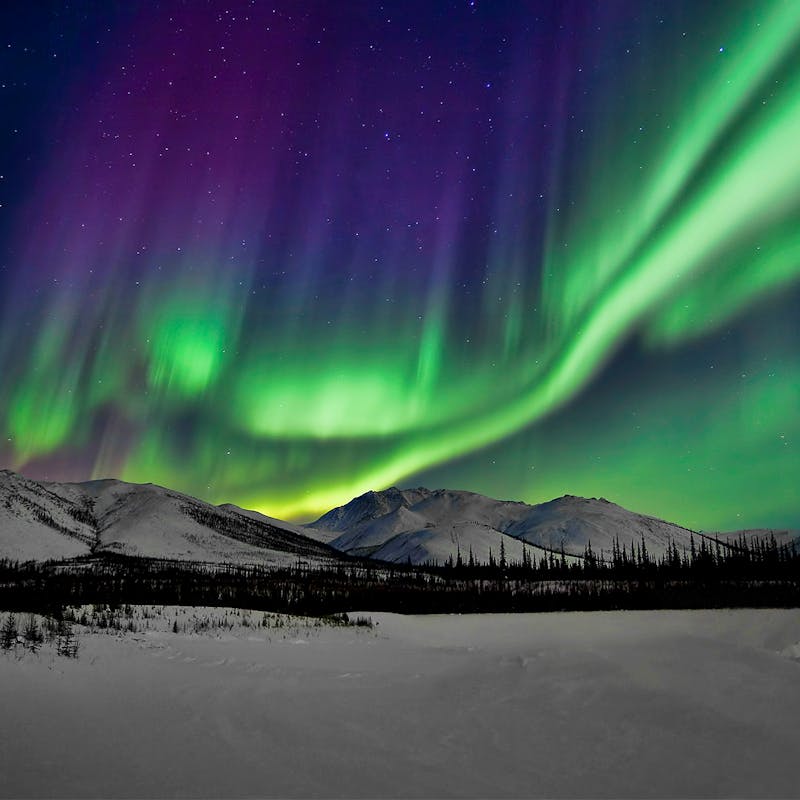
The Arctic is a land of extremes. It is an ethereal landscape. Extreme cold, snow and powerful winds. A lush breeding ground for birds. A polar desert.

To some it may feel like a far-flung place, but you are closer than you think to the Arctic. The geese, songbirds and shorebirds that breed there spend half of the year as our beloved neighbors. When these birds fly south in autumn, they bring a slice of that rich ecosystem with them, transporting nutrients and seeds, providing food for predators, serving as flock mates for other birds, and fertilizing the forests and fields all around us.
Even though most of us are far from it, we all depend on the Arctic.

Flyways or “Bird Highways”
Millions of birds migrate from their Arctic breeding grounds to wintering areas in all 50 states every year via a system of “bird highways” called flyways. These natural migration corridors offer birds food, water and shelter along their journeys. Each flyway varies in the types of birds who use them and the habitats available along the route.
The U.S.’s four major flyways

- Pacific Flyway: Coastal intertidal wetlands, saline lakes and interior freshwater marshes.
- Central Flyway: Great Plains grasslands, river floodplains and the Gulf Coast.
- Mississippi Flyway: Wetlands and marshes, mature bottomland hardwood forests, open-water lakes and agricultural lands.
- Atlantic Flyway: Coastal wetlands, estuarine systems, boreal forests and inland deciduous forests.
Meet Five Birds Connecting Us to the Arctic
1. Snowy Owl
Snowy owls (Bubo scandiacus) are one of the Arctic’s most distinctive breeding birds with their brilliant white plumage, piercing yellow eyes and nearly silent flight.

During the winter, some snowy owls migrate to the northern half of the U.S. using parts of the Atlantic Flyway. This migration is highly irregular. In “irruption” years — like an owl baby boom when their primary prey, arctic lemmings, are more readily available — snowy owls can be found in huge numbers throughout New England and the Great Lakes. In other years, barely any are seen in the states at all.
As Arctic birds arrive in the fall, keep an eye out for snowy owls in abandoned farm fields, beaches and airport tarmacs. These places resemble their favored open tundra habitat!
2. Sandhill Crane
Lesser sandhill cranes (Grus canadensis canadensis) travel thousands of miles each fall from Arctic breeding grounds to southern Texas using the Central and Pacific Flyways.
“When we hear [the sandhill crane’s] call, we hear no mere bird. We hear the trumpet in the orchestra of evolution.” - Aldo Leopold, the father of modern-day wildlife ecology
The Rio Grande Valley and surrounding wetlands are these cranes’ primary winter home. They don’t just take shelter while wintering here. Lesser sandhill cranes disperse seeds, control crop pests and drive tourism.

Nebraska’s Platte River is an important staging ground, or a mid-migration layover, for their spring journey north. Each February to mid-April, more than one million cranes can be observed at this river resting, eating and doing their energetic courtship dances. Over 80% of birds staging on the Platte River in spring are sandhill cranes!
3. Black Brant
Black brant (Branta bernicla nigricans) are icons of the Arctic. These small geese mate for life and have individualized honks and dances they use to find their mate in large flocks.

An oddity? Brants primarily nest in the sub-arctic coastal tundra on the western shores of Alaska and Russia. Following the breeding season, they unexpectedly fly farther north to the Arctic coastal plane to molt and then embark on a massive southward migration along the Pacific Flyway. People in Washington, Oregon and California may see them in the fall as they make their way southward.
Nearly the entire global population of black brant stops at Izembek National Wildlife Refuge. Here they gorge on eelgrass, spending 80% of their day feasting in preparation for their fall flight as far south as Baja California.
4. Semipalmated Plover

Despite enjoying wide-open habitats like mudflats, beaches and plowed fields, you will likely hear semipalmated plovers (Charadrius semipalmatus) before you see them. They make a distinctive, cheerful whistling noise (listen below!) to communicate with flock members as they forage.
These little shorebirds breed in the Arctic and migrate south for winter annually. Rather than concentrating in one region, they disperse broadly and utilize the Atlantic and Pacific Flyways. You can find them wherever there is water, including on the Pacific coast, Atlantic coast, Gulf Coast and throughout the southeast.
5. Lapland Longspur
Tiny, sparrow-like lapland longspurs (Calcarius lapponicus) make an incredible journey, primarily using the Central Flyway, from the Arctic shores to the heartland of America each fall. The Great Plains in the Midwest are a favorite destination for longspurs since the open, grassy expanse is a great place to find seeds and the occasional insect to snack on.

Longspurs are one of the most abundant land birds that winter in North America, with some flocks as large as four million birds!
Threats to the Arctic
The Arctic and the birds it supports face existential peril. Climate change and oil and gas development are the biggest threats to Arctic animals and their habitats.
Developments and massive seismic thumper trucks reduce available nesting, breeding and hunting habitats for birds. Climate change is altering previously predictable changes in seasons that birds use to make life-saving decisions like when to migrate and through which route.

The threads that connect us all to the Arctic are fraying. The Arctic needs strong advocates to stand up for its wildlife now more than ever before.
You can help by:
- Becoming a Wildlife Defender to respond to legislative and administrative threats to Arctic wildlife in real-time.
- Putting up window clings to reduce migratory bird strikes to windows at home.
- Avoiding single-use plastics that birds mistake for food.
- Buying certified bird-safe coffee that protects migratory bird habitat.
Migratory birds link us across continents, ecosystems and political boundaries. These animals, and the impressive journeys they make each year, are irreplaceable. It is on us to act now and preserve them for ourselves and future generations.
Author

Cassie Ferri