America's grasslands are an important ecosystem for our nation. They are critical for agriculture, food security and supporting ecosystem functions needed for water supply, soil health, climate resiliency, biodiversity and carbon sequestration.

Yet this ecosystem type is among the most threatened in the world, with over half of all Great Plains grasslands already lost to land conversion, development and invasive plants. What remains today are protected as “National Grasslands.” These places were acquired by the federal government after the Dust Bowl and are now managed by the U.S. Forest Service for the benefit of current and future generations.
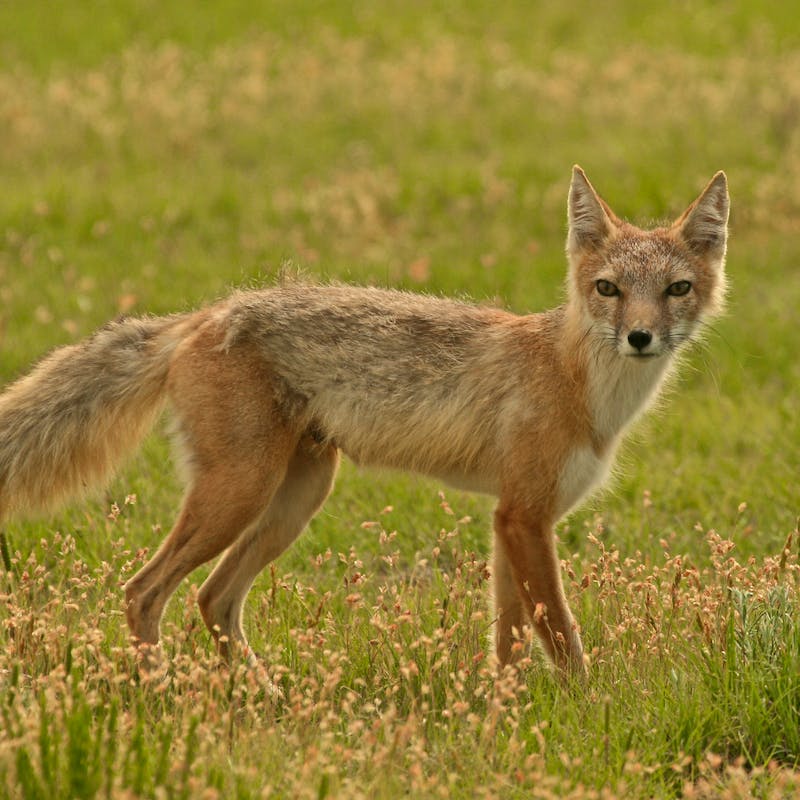
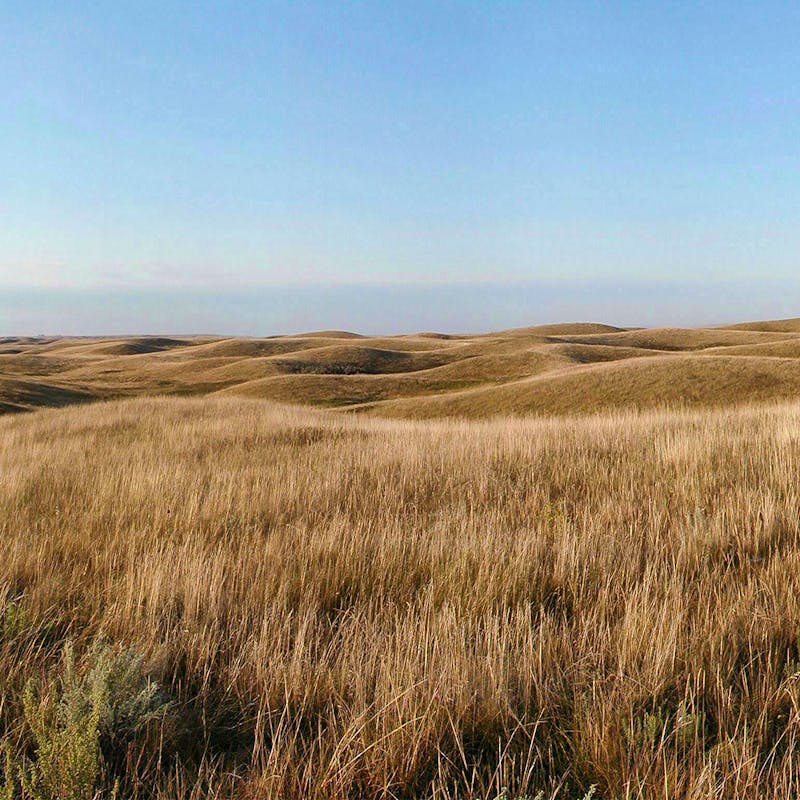
The Cimarron and Comanche National Grasslands, in Kansas and Colorado, play a crucial role in conservation. These grasslands support a diversity of ecosystems such as shortgrass prairie, sand-sage prairie, canyonlands, juniper savanna and prairie rivers. Both National Grasslands are home to numerous at-risk wildlife and plants.
For instance, the Cimarron and Comanche National Grasslands:
- Contain about 20,000 active acres of habitat for black-tailed prairie dogs. Only about 2% of the historic habitat of the black-tailed prairie dog remains today.
- Boast a pure (99%) native fish community in the Purgatoire River, including a recently re-introduced population of rare and threatened plains minnow.
- Include a “Zoological Area” that contains over 10,000 acres of prime habitat for lesser prairie-chicken. This area is crucial because these birds have lost 90% of their historic habitat and populations, and they continue to decline.
- Supported endangered black-footed ferrets in the past, including the successful birth of a wild kit. There are an estimated 400 back-footed ferrets in existence today, and grasslands can serve as a recovery lifeline for them.
- Are historic habitats for bison, a keystone species that once roamed North America 30 million strong. They are now a fraction of that number and restricted to small fragments.
While two separate National Grasslands, Cimarron and Comanche are currently undergoing a joint land management plan revision. Land management plans provide management direction for topics such as species conservation, livestock grazing, cultural resources, paleontological resources, recreation, and mining and energy, to name a few. It’s akin to a zoning plan for large landscapes.
The current management plan for the Cimarron and Comanche is over 40 years old; it does not reflect new science or address emerging concerns like drought and invasive species. Defenders of Wildlife is engaged in this plan revision because of the importance of these lands for the conservation and recovery of plains wildlife.
We would like to see this plan revision:
Help Conserve the Cimarron and Comanche National Grasslands
Sign up for our action alerts to receive the latest news and best ways to take action. You can also find a list of the Forest Service’s engagement opportunities here.