This blog post presents a recent op-ed published in the San Francisco Chronicle unpacking NOAA's planned review of the California Commission under the Coastal Zone Management Act.
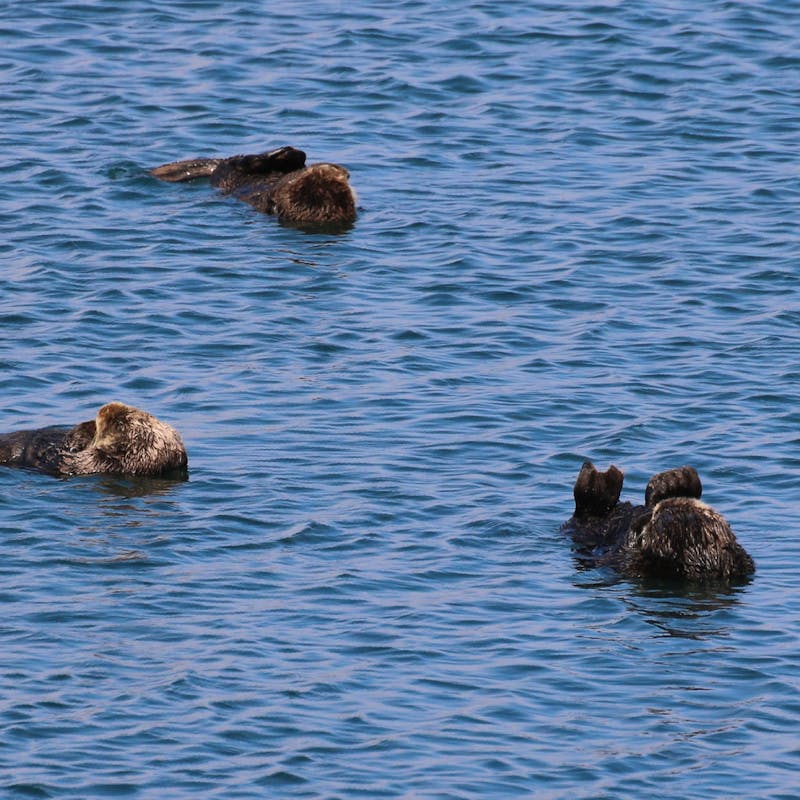
California’s coastline is one of the nation’s greatest conservation success stories. From recovering sea otters and nesting snowy plovers to migrating gray whales and the vibrant national marine sanctuaries that many species call home, generations of Californians have fought to protect the wildlife and places that make this coastline extraordinary.
Few may realize these conservation successes are made possible, in part, by a little-known but critically important federal law: the Coastal Zone Management Act.
For more than 50 years, the act has given California and other coastal states a meaningful voice in federal decisions affecting their shorelines. Through the law’s federal consistency program, California works with federal agencies and project proponents to ensure that offshore drilling proposals, pipelines, ports and other federally authorized activities are consistent with the state’s coastal policies.
For more than 50 years, the act has given California and other coastal states a meaningful voice in federal decisions affecting their shorelines. Through the law’s federal consistency program, California works with federal agencies and project proponents to ensure that offshore drilling proposals, pipelines, ports and other federally authorized activities are consistent with the state’s coastal policies.
Contrary to the perception that California simply says “no” to any coastal development, the overwhelming majority of projects reviewed under the program ultimately move forward. Critical work happens behind the scenes when California state agencies negotiate changes that reduce harm to wildlife, protect coastal communities and improve projects before they are approved.
The partnership has restored more than 100,000 acres of habitat, from kelp forests and estuaries to coastal dunes. It has removed over 26 million pounds of trash from beaches and waterways and given Californians a voice in decisions affecting their shoreline.
Now, that partnership faces its greatest threat.
The National Oceanic and Atmospheric Administration is conducting a premature, out-of-cycle review years before its typical 10-year schedule and before the previous review has even concluded. On paper, it may look routine. It is anything but. If a review results in decertification of California’s coastal management program, it could mean the state loses its strongest tool to resist federal actions over harmful decisions affecting the coastline’s prosperity.
So why is the federal agency pursuing a review now?
The timing is difficult to ignore. It follows the California Coastal Commission’s rejection of Elon Musk and SpaceX’s 2025 proposal to expand rocket launches from Vandenberg Space Force Base and comes as the Trump administration plans to advance a draft leasing program that could reopen California’s federal waters to oil and gas drilling for the first time in more than four decades. Commerce Secretary Howard Lutnick has said the review is meant to ensure California gives “proper weight” to federal priorities and to prevent what he called “obstructionist policies that delay critical national infrastructure.”
What does this mean for Californians and residents of other coastal states? It means that our voices could be silenced.
It’s more important than ever to understand and speak out against harmful decisions affecting our shorelines. The National Oceanic and Atmospheric Administration has never withdrawn approval of a state’s Coastal Management Program. Withdrawal of federal approval — and with it, a state’s ability to review any federal actions — would be a historic step and throw off an essential system of checks and balances.
The greater concern is the precedent this review could set. Public lands, federal waters, now coastal authority — the target keeps moving, but the goal doesn’t. This is the same administration that unilaterally froze offshore wind leasing across the entire Outer Continental Shelf and is moving to potentially open new offshore oil and gas leasing off California. Combined with the Bureau of Ocean Energy Management’s recent proposal to consider the first commercial deep seabed mining project in federal waters off the Atlantic coast, it sends a troubling signal: States that vigorously exercise the authority Congress gave them may invite heightened federal scrutiny.
Over nearly five decades and thousands of Coastal Zone Management Act consistency reviews, California has concurred with 96% of federal and federally regulated projects, while using the small remainder of cases to secure economic and science-based protections for coastal resources, economies and coastal communities — not to obstruct the national priorities those projects serve.
Congress designed the act as a partnership between the federal government and the states, not as a mechanism for pressuring states to abandon the very protections the law was enacted to preserve.
California’s coastline supports one of the world’s richest marine ecosystems. It provides habitat for whales, sea otters, seabirds and sea turtles and sustains commercial and recreational fisheries. It attracts millions of visitors each year and fuels coastal economies. Now is the time to speak up for our wildlife, communities and coastal economies that depend on it as the National Oceanic and Atmospheric Administration is accepting public comments through Aug. 22.
Protecting our coastline and safeguarding the Coastal Zone Management Act ensures that development occurs responsibly — without sacrificing wildlife or the communities that depend on healthy oceans.
Stephanie Altman is a senior energy and biodiversity specialist at Defenders of Wildlife who previously served as a senior attorney in the National Oceanic and Atmospheric Administration’s Office of General Counsel, where she advised on ocean and coastal law and policy.