
Tweet"This win shows what's possible when we speak up for wildlife."
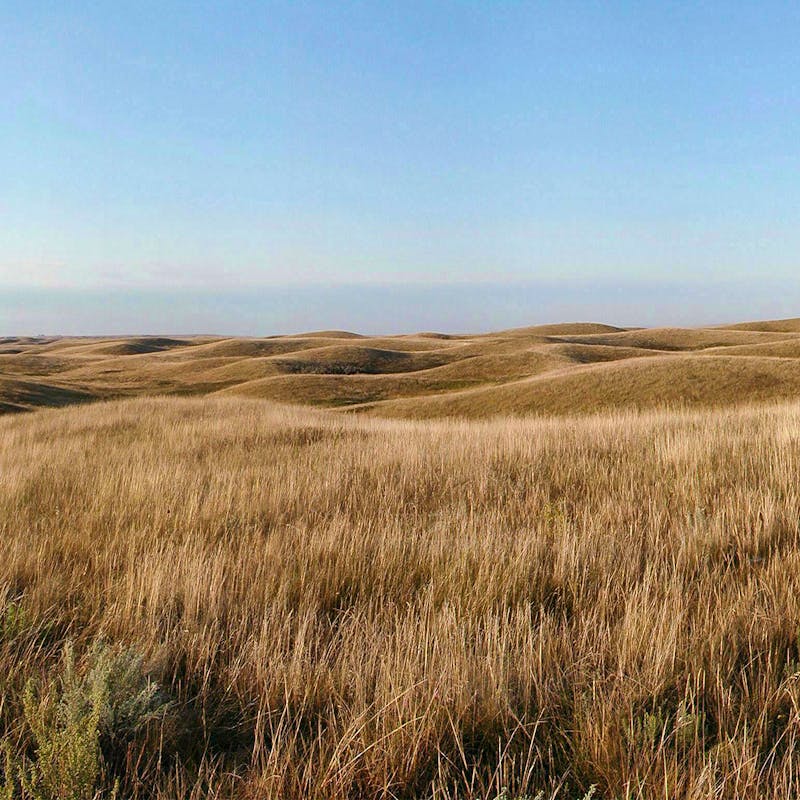
In a significant win for wildlife, plans for a 180-mile electric transmission line in Kansas will be modified to avoid impact on the endangered black-footed ferret. The proposed route would have run through Butte Creek ranches in Kansas, a long-standing, critical recovery site for the species and home to some of the last remaining wild black-footed ferrets in the world.
"This win shows what's possible when we speak up for wildlife," said Chamois Anderson, senior field representative at Defenders of Wildlife. "Rerouting the transmission line means these black-footed ferrets can continue to recover and help keep the Plains ecosystem healthy, which, is a legacy we can all feel proud of."
Last week, the Kansas Corporate Commission and Sunflower Electric, which operate the line, announced an alternative route that avoids this important site for ferret recovery. Defenders' members from across the country submitted over 700 public comments encouraging the Commission to reconsider the preferred route.
The family ranches along Butte Creek also shared words of celebration following the announcement:
"Our Haverfield and Barnhardt families appreciate the KCC and Sunflower for listening to our environmental impact concerns and being responsive by rerouting the proposed transmission line away from the Black-footed ferret reintroduction site and [a] lesser-prairie chicken population. Our parents worked hard to have the [U.S. Fish and Wildlife Service] reintroduce black-footed ferrets on their land in 2007. We, with the support of government agencies, Defenders of Wildlife, Audubon of Kansas, biologists, the zoo community, university professors and students, volunteers, concerned citizens and environmental experts, will continue to protect and care for this only black-footed ferret reintroduction site in Kansas."
The gravity of this decision cannot be understated as less than 300 black-footed ferrets remain in the world, with 10% of the entire population today living on the Butte Creek ranch recovery site. Defenders of Wildlife, alongside our partners at Butte Creek, thanks both the Commission and Sunflower for listening to the concerns of individuals and choosing an alternative route that minimizes impact on our cherished wildlife.
###
For nearly 80 years, Defenders of Wildlife has worked to protect and restore America’s wildlife at risk of extinction, advancing a vision of a future in which wildlife thrives, sustained by broad public support and a resilient network of healthy lands and waters. With a network of more than 2 million supporters, Defenders is an advocate for innovative solutions to safeguard wildlife for generations to come. To learn more, please visit https://defenders.org/newsroom or follow us on Instagram @defendersofwildlife.
Media Contact

Related

News

Black-Footed Ferrets Secure Critical Win, Following Public Outcry
