What Makes These Snow Foxes Unique
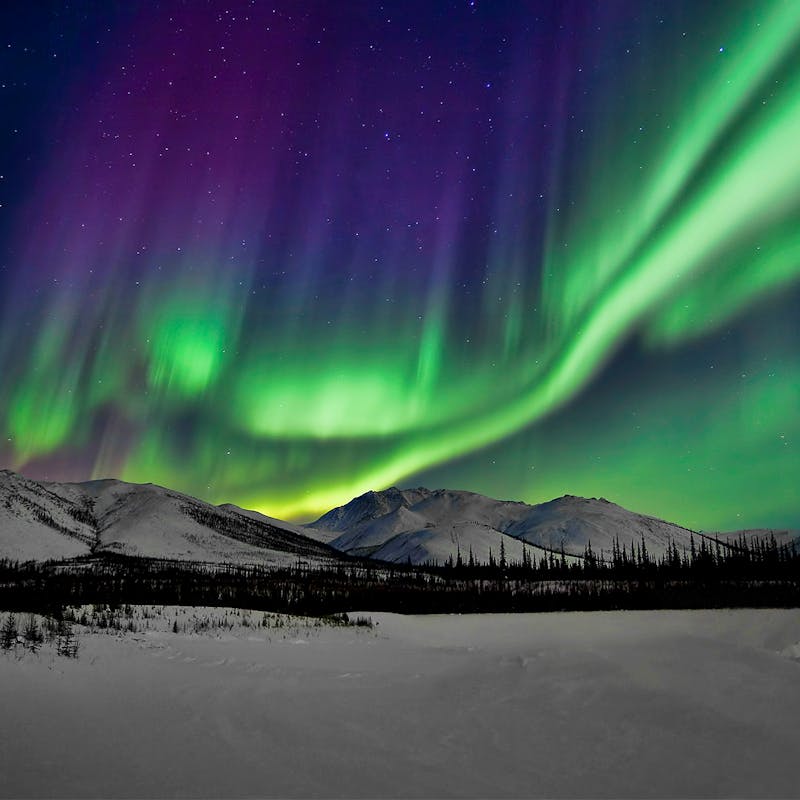
The cold air nips at the faces and fingers of thousands across the United States this time of year. Snow blankets mountains, forests and backyards, creating a joyful escape for people to sled, ski and play in. Further north, in the Arctic, winter is harsher and can last from October to May. Temperatures rarely get above 0 degrees Fahrenheit and, in some areas, from roughly mid-November to late January the sun does not rise at all. It’s a wonder any animal can survive in this freezing, harsh habitat, but some critters actually thrive!

Adaption is the process species undergo to become better suited to its environment. Foxes are a prime example of an animal who is well adapted. Of the 30 fox species globally, six are found in North America, but just one is well adapted to the harsh Arctic winters: the Arctic fox.
Read on to gain a better understanding of what makes these snow foxes unique, and what adaptations and characteristics Arctic foxes have that allow them to survive — and thrive in — the harsh, Arctic winters.

Where do foxes usually live?
Foxes live on every continent except Antarctica. They are found in forests, on grasslands, on tundra and even on islands and in urban settings. Red foxes are the most widely distributed and are found almost everywhere in the northern hemisphere. The U.S. is home to six fox species: Red (Vulpes vulpes), Gray (Urocyon cinereoargenteus), Swift (Vulpes velox), Kit (Vulpes macrotis), Arctic (Alopex lagopus) and Island fox (Urocyon littoralis).
Arctic foxes are found throughout the entire Arctic tundra. This includes Alaska, Canada, Greenland, Russia, Norway, Scandinavia and even Iceland, where it is the only native land mammal.
What Adaptations Do Arctic Foxes Have to Survive the Arctic?
Adaptations for an Arctic fox include their body shape, size, facial features and their fur. Each of these adaptations is key in allowing them to survive in the Arctic.
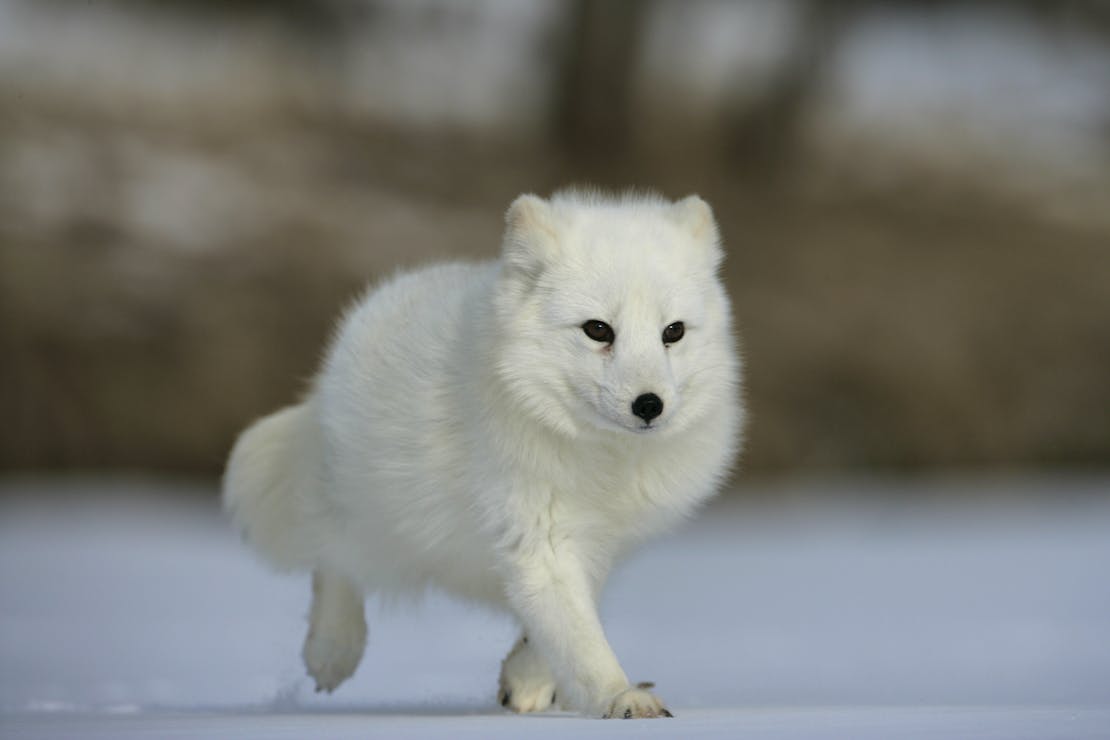
To help keep them warm, Arctic foxes have round, compact bodies, which help minimize surface area that is exposed to the cold air. Their muzzle, ears and legs are short, which also conserves heat. Finally, their deep, thick fur allows them to maintain a consistent body temperature.
Their fur is special for other reasons too. These foxes have thick fur on their paws, allowing them to walk on snow and ice with ease. Their coat is key to allowing them to camouflage, as it changes color depending on the season.

Does the Arctic fox change color?
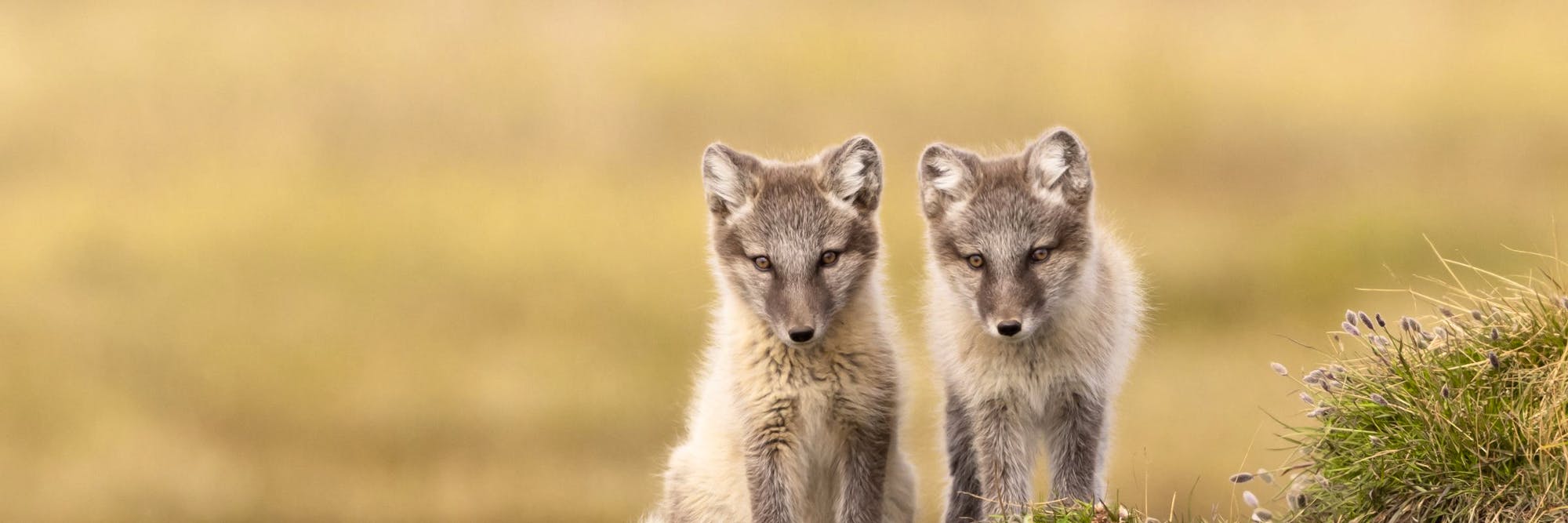
Arctic foxes change the color of their fur with the seasons. These snow foxes are most well-known for their white fur that allows them to easily blend with the snow. But when the snow melts and summer moves in, the white snow fox molts to a brown or gray coat.
What do Arctic foxes eat?
You may wonder if Arctic foxes are carnivores or omnivores. Arctic foxes are omnivores, eating both meat and plants. They are also opportunistic, eating whatever is available on the frozen tundra, even if it means scavenging leftovers.

The Arctic fox prey of choice, though, are lemmings. Lemmings are small rodents native to the Arctic. Arctic fox populations even fluctuate depending on the availability of lemmings. When lemmings boom, so do the foxes.
When do foxes come out?
Foxes are generally nocturnal, active at night, or crepuscular, active at dusk and dawn, depending on the species and where they live. Arctic foxes will often hunt at night when their prey is more active and it’s easier to avoid predators, like wolves and polar bears.

Why is the Arctic fox an endangered species?
Arctic foxes are not an endangered species. These snow foxes are, however, facing great threats to their Arctic habitat. The Trump administration is pushing for oil and gas development to the Arctic, which will harm and fragment the land, as well as bring loud, disruptive noise to the otherwise quieter landscape. These impacts will no doubt harm Arctic foxes over the long-term.
Climate change is also a major threat to Arctic foxes and other snow-dependent wildlife.

Defenders of Wildlife is working to prevent the loss of our Arctic, where the effects of climate change are most evident. We are advocating against drilling in the Arctic Refuge, for the protection of wildlife habitat and habitat corridors that allow wildlife to move between the refuge and Canada and elsewhere further west and for maintaining cultural traditions, among many other reasons. Defenders is also advocating for funding of on-the-ground research to better understand how warmer temperatures are affecting wildlife.
How You Can Help Arctic Foxes
You can help Arctic foxes when you stand up for habitat protections across the country and speak out against oil and gas drilling and mining. You can also cut your carbon emissions and help mitigate climate change, which will help many Arctic animals!
Author