The South Carolina Lowcountry is not a place you will find outlined on any map, but the locals know it well. From Charleston to Hilton Head, and north to Calhoun County, the swampy region below the fall line is steeped in culture and rich tradition. This landscape includes rich upland pine forests and cypress swamps, as well as the magical sea islands that dot the coast of South Carolina. Life on these sea islands is special, and different, and each island has its unique charm.
I had the distinct pleasure of growing up on one of these sea islands - Edisto - which is also affectionately known as “Edislow.”

Raised by the Tide
Growing up on Edisto Island means being raised by the tide as much as by people. Time there isn’t only measured by clocks or calendars, but also by the slow breathing of the marsh, the angle of the sun over the river and the calls of birds moving through the spartina grass. The Lowcountry is not a place to rush through days or grind away at life. The tides teach patience, attention and reverence. They demonstrate how to wait for the good things, as they always come along, just at their own pace.

My childhood landscape was a living and moving tapestry. The marsh stretched out like a quilt of green and blue and gold, stitched together with winding creeks and mud banks that shimmered with the movement of fiddler crabs at low tide. You also felt the marsh under your feet as your toes squished in viscous pluff mud and in your nose as you breathed in its pungent smell of salt and heady decay.
A Spark for Wildlife
My worship of the wild world first began on Edisto, where we lived alongside animals. Fiddler crabs waved their oversized claws like tiny flagmen guarding the banks. Blue crabs were always a treat to find in the submerged cage traps we hung off the old dock and checked with our grandmother.

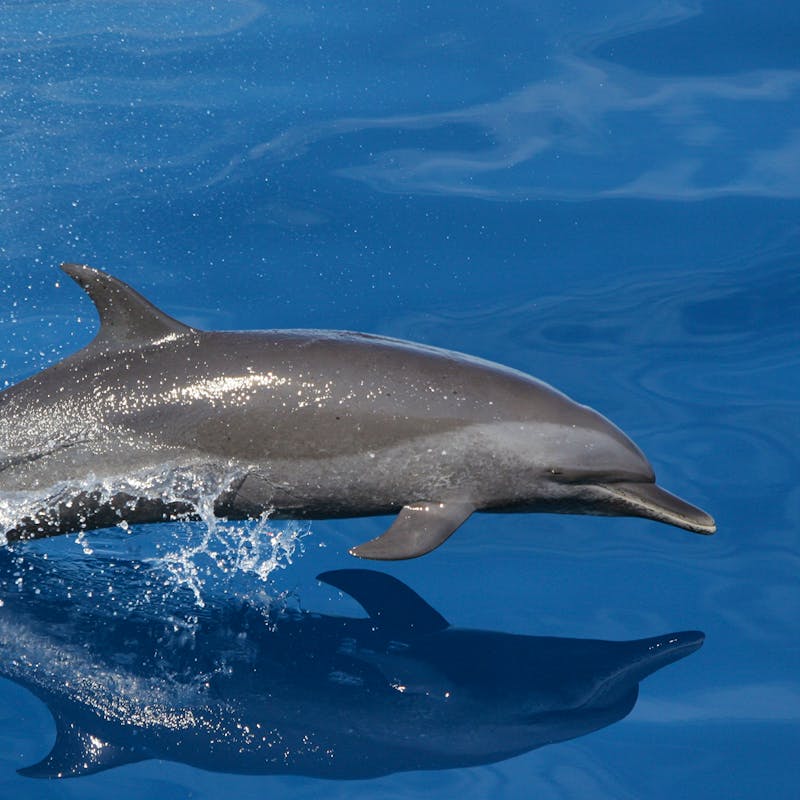
Bottlenose dolphins and porpoises surfaced quietly in the tidal creek, their backs rolling smooth and dark as they herded fish toward the shallows. Sometimes they strand-fed along the banks, a behavior that felt almost secret, as if the river were letting you in on one of its private rituals. We would sit on the porch and listen for the “whoosh” of air as they surfaced, always seemingly out of nowhere, and no sighting was ever taken for granted.
“It’s a red-winged black bird, mom!”
As a child, I was fearless with strangers and always happy to share my island and its residents with others. My mother was a science teacher at the “local” high school - an hour drive from our home - and she often brought students to Edisto for field trips. I would ride on the shoulders of giants (or 17-year-olds) and point out my favorite species to my audience. My mother never tired of letting me teach her classes.

The red-winged blackbird, a staple in the marsh, remains my favorite bird to this day because it was the first bird I learned to identify as a small child.
Birdlife was constant on the island. Great blue herons stalked the shallows with patient, prehistoric focus, ready to stab out in the blink of an eye to spear a frog or fish on its weapon of a beak. Egrets were flashes of white dotting the drainage ditches and mud banks. At night, the call of the barred owls – “who cooks for youuuu?” - let you know you were never truly alone.
On Edisto you learned respect early. You learned how to tell the difference between harmless corn snakes and venomous coral snakes. You learned alligators belonged to the water as much as the water belonged to them, and that distance was a form of courtesy. As a child, alligators were expected neighbors, not interlopers. We knew our gators and their home waters and gave them both a wide berth.

Away from the water, there was still more life than one could ever imagine. The live oaks dripped with Spanish moss - which is not a moss, but an air plant - and if you were silly enough to cover yourself in its gray tendrils you may spend some time in the shower after, trying to scrub the red bugs from your skin.
A deep black night sky displayed all it had to offer from the stars - in a world not tainted by light pollution and smog - reminding you how very small we all are in this grand universe.

There was also an unspoken, but understood, knowledge this place was fragile. Hurricanes threatened the island each season. Storms could easily reshape shorelines overnight or even wash away an entire dock with little warning. King tides flooded old roads and washed out familiar beaches. Living on Edisto taught permanence is an illusion and resilience comes from flexibility.
Shaped by the Marsh
Those early experiences shape how I see the world now. The nose-curling smell of pluff mud is a call home. I still notice the daily change of bird calls, even far from the coast. I look for crawfish in my pastures now, the way I once sought out crabs in their holes on the streambank.
I believe there is a conservationist inside all of us, waiting to experience the joy of nature’s small things. All you have to do is open your door and take in the living world closest to you. Maybe that’s a hike through a local park or the sun illuminating the trees of a backyard forest or a stroll on the beach. Regardless, I hope you carry the Lowcountry marshes and forests’ message of quiet consistency and lessons in observation, humility and belonging.
Author