The Lolo National Forest is one of the most ecologically diverse landscapes in western Montana. It provides fish and wildlife habitat, landscape connectivity, and access to the outdoors.
Yet this ecosystem faces growing threats from increasing habitat fragmentation, climate change and exploitation.
The Lolo spans a wide range of habitats ranging from low-elevation ponderosa pine forests and grasslands to high-elevation alpine environments. These habitats support iconic and threatened species such as grizzly bears, Canada lynx, wolverines and bull trout.
For instance, the Lolo National Forest:
- Provides important habitat for wide-ranging species, including key connectivity corridors for grizzly bear.
- Contains over a quarter-million acres of inventoried roadless areas that contain quality habitats for at-risk species and provide remote recreation opportunities.
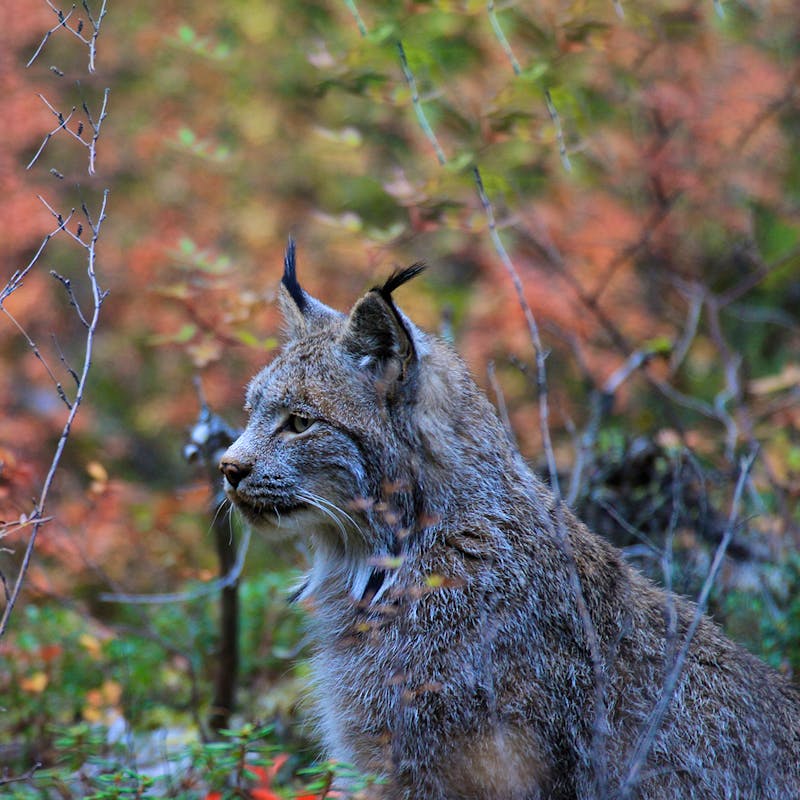
- Supports nearly half a million acres of designated critical habitat for Canada lynx, a federally threatened species reliant on cold, snowy forest conditions.
- Contains watersheds that are important for recovering native bull trout, a threatened species that is declining in western Montana.
A Critical Opportunity to Conserve Western Montana’s Forests and Wildlife Habitat
The Lolo National Forest is currently undergoing a forest plan revision that will guide management across roughly two million acres of public land. This plan will shape decisions on wildlife conservation, timber harvest, mining, livestock grazing, and recreation for decades to come.
Forest plans function much like large-scale zoning frameworks, determining where particular uses may or may not occur to help ensure balanced use and resource protection.
The current forest plan for the Lolo dates back to the 1980s and no longer reflects modern science or current challenges, such as changing climate conditions and increasing recreation and development pressure.
We would like to see this plan revision:
Prioritize habitat connectivity and landscape-scale conservation to support recovery of species like grizzly bears, lynx, wolverines, and bull trout.
Safeguard roadless areas, high-value watersheds, and other key habitats from degradation and fragmentation.
Promote a shared landscape between people and wildlife, including beaver, grizzly bear and wolves.
Help Conserve the Lolo National Forest
Thoughtful, science-driven management is essential to ensuring these lands remain resilient in the face of ongoing changes and threats. Sign up for our action alerts to receive the latest news and best ways to take action. You can also find a list of the Forest Service’s engagement opportunities here.