El estado más grande de los Estados Unidos continental, y segundo sólo detrás de California en cuanto a biodiversidad, Texas tiene una amplia variedad de especies, hábitats y comunidades culturales que lo convierten en un lugar especial.
Desde los bosques subalpinos en el norte hasta el desierto de Chihuahua a lo largo de la frontera sur, Nuevo México es uno de los estados más biológicamente diversos del país.
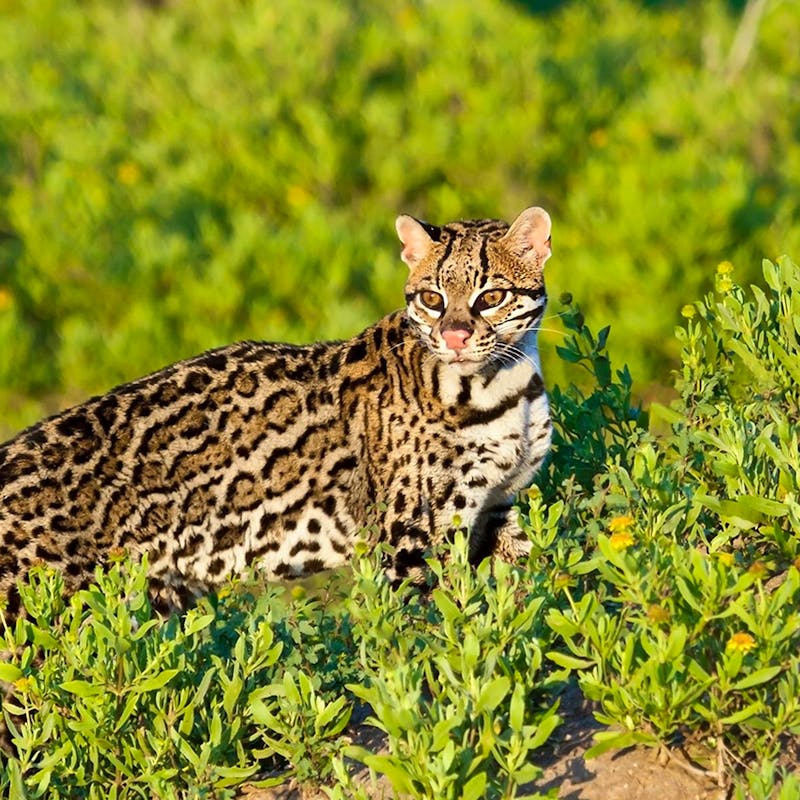
En el siglo 20, la pérdida de hábitat, los esfuerzos de erradicación de depredadores y la demanda voraz del comercio de pieles y mascotas afectaron gravemente a las poblaciones de ocelotes en todo el hemisferio occidental.
In the 20th century, loss of habitat, predator eradication efforts and voracious demand from the fur and pet trades severely impacted ocelot populations throughout the Western Hemisphere.
Explore CCI’s ocelot range maps and human impact data, finding only about 60 remain in the U.S. due to land conversion, agriculture and urban development.
Explore this StoryMap on the Lower Snake River, how dam construction has threatened salmon and steelhead and the ongoing debate over restoring this vital river.