
Join our mobile Rapid Response Network!
You can be the first to hear about how we’re going to hold this administration accountable and how you can fight back for wildlife!
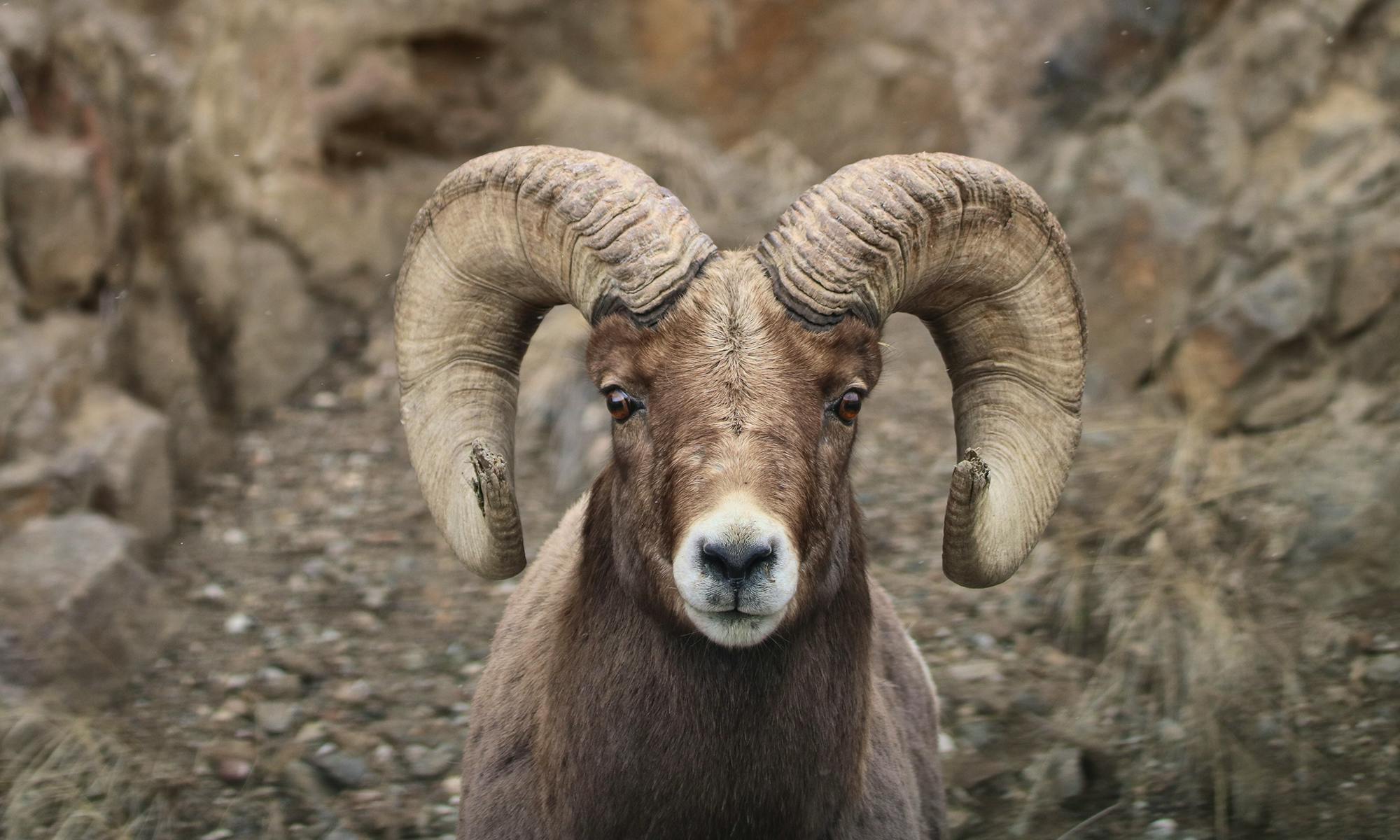
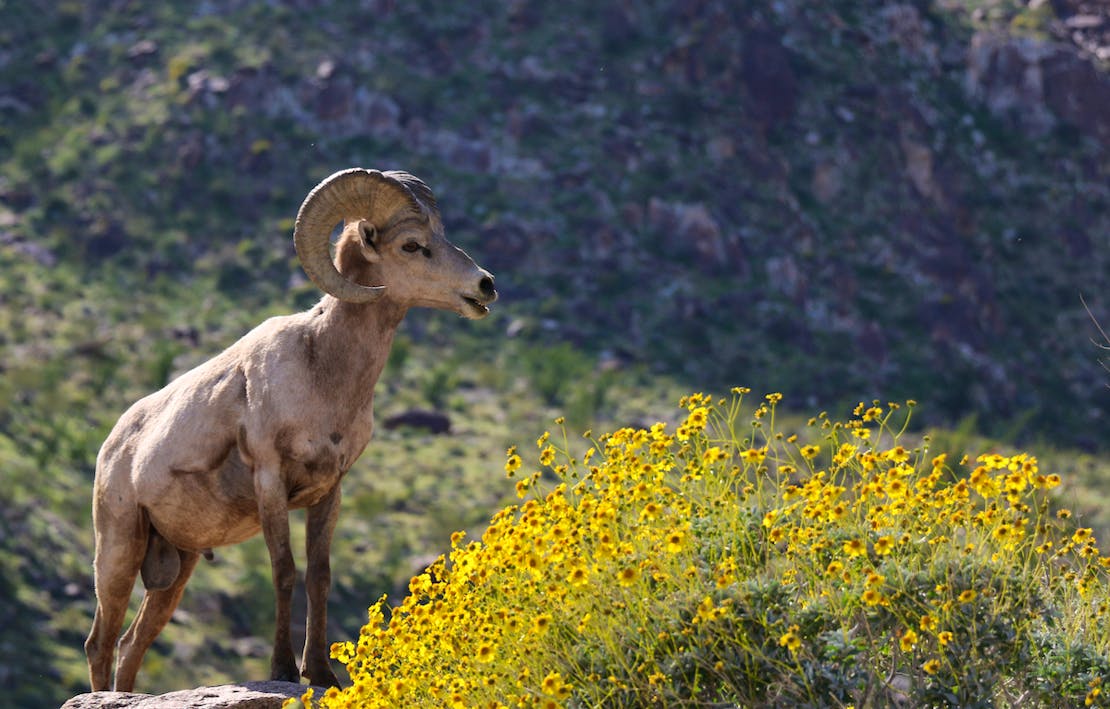
Bighorn sheep get their name from the large, curved horns on the males, or rams. Female sheep, or ewes, have shorter, less curved horns.
Bighorn sheep are known for their ability to traverse steep mountainous terrain.
There is one species of bighorn sheep in North America (Ovis canadensis), which is divided into four subspecies: Rocky Mountain bighorn (Ovis canadensis canadensis) in the Rocky Mountains; California bighorn (Ovis canadensis californiana) in the northern Great Basin; desert bighorn (Ovis canadensis nelsoni) in the Southwest and northern Mexico; and, Sierra Nevada bighorn (Ovis canadensis sierrae) in the Sierra Nevada in California. Desert bighorn in the Peninsular Ranges of California is a distinct population.
Why are bighorn sheep endangered?
Virtually all mountain ranges in North America once supported large bighorn sheep populations totaling 1.5 to 2 million before European settlement. Now populations total approximately 80,000. Numerous individual mountain ranges no longer support bighorn populations and major interstate highways have cut off once-connected mountain ranges. Historic overhunting is no longer an issue due to successful state laws and regulations that allow for regulated, sustainable hunting.
The Sierra Nevada bighorn, with a population of about 300, and Peninsular bighorn, with a population of about 800, are listed as endangered both federally and in California due to low populations and ongoing threats.
Competition with domestic livestock for forage and water, livestock diseases, vehicle collisions on highways, expansion of military installations and training activities, increasing temperatures and decreasing rainfall due to climate change, poisonous plants on golf courses in the Coachella Valley, California, and habitat loss and fragmentation associated with housing and recreational vehicle use.
Peninsular bighorn sheep and Sierra Nevada bighorn sheep are endangered

Defenders' Impact
Defenders and other conservation organizations were successful in preventing the U.S. Air Force from expanding the Nevada Test and Training Range into a large portion of the Desert National Wildlife Refuge in Nevada, ensuring a balanced approach to wildlife conservation, cultural resource protection and military training on these public lands.
Defenders is working to protect other public lands and wildlife corridors that support bighorn sheep populations in a variety of land use planning processes that address livestock grazing, recreational vehicle use, new remote housing developments, highway expansion and groundwater pumping.
Most recently, we are working to prevent a large solar energy project from encroaching into desert bighorn habitat in the Mojave Desert that is adjacent to a key habitat movement corridor. We and other conservation organizations were successful in having the Bureau of Land Management designate large areas for conservation of key species and their habitats within the California Desert Conservation Area, including mountain ranges supporting desert bighorn and their movement corridors across the landscape.
What You Can Do
Support conservation of bighorn sheep habitats on public lands managed by federal agencies, especially those designated as National Conservation Lands, National Monuments and National Wildlife Refuges. You can also support state wildlife agencies that are restoring bighorn populations and enhancing their habitats.
About
Rocky Mountain bighorn are found in the Rocky Mountains; California bighorn live in the northern Great Basin; Desert bighorn occur in the Southwest and northern Mexico; and Sierra Nevada bighorn are found in the Sierra Nevada in California with those in the Peninsular Ranges of California viewed as a distinct population.
Bighorn sheep populations typically occur as “meta-populations,” or local populations within mountain ranges connected by movement corridors where individuals travel between ranges.
There are approximately 80,000 bighorn sheep in North America. The Sierra Nevada bighorn sheep have a population of about 300 and Peninsular bighorn sheep have a population of about 800.
Bighorn sheep live in herds or bands of about five to 15 ewes, lambs, yearlings and juveniles. In the winter, these herds join to create bands of as many as 100 animals. Groups of males are much smaller, usually numbering two to five.
In the fall, rams have head-butting contests to compete for ewes. Males charge each other at over 20 mph, their foreheads crashing with a crack that can be heard over a mile away. Older rams exhibit considerable horn damage after a few years of these contests.
Lambs are born with a soft, woolly, light-colored coats and small horn-buds. Within a day, they can walk and climb as well as their mother. A lamb will stay with its mother for a year.
Mating Season: July to December, with peak activity in October to November.
Gestation: 5 to 6 months
Offspring: One lamb, sometimes two
Bighorn are selective feeders, choosing the most nutritious forage available. Their diet includes cacti, grasses, herbaceous plants and shrubs. Leaves of mesquite trees, catclaw and barrel cactus are especially important forage for desert bighorn in deserts, particularly during the hot summer months.
Read More About the Bighorn Sheep
News


