From the redwood forest to the Gulf Stream waters, communities take root in the land and in water. We live, work, laugh and grow alongside our human and animal neighbors alike. We may not know their names or always see them, but we recognize their songs, their tracks and, when they’re gone, their absence.
When you conjure images of Texas, you get grazing longhorns, cowboy boots, nopales (cacti) and a guitar. The guitar becomes a bigger deal when you zoom in to Austin, the Live Music Capital of the World. This city hosts over 250 music venues and a diverse array of artists, including blues, rock, country, Tejano and punk musicians.
One of Austin’s smallest musicians, however, only performs in the city between March and June. Their genre? Birdsong. Literally.


Meet the Songbirds of Austin
Texans and tourists alike may hear the calls of black-and-white warblers, painted buntings, canyon wrens, Nashville warblers or rufous-crowned sparrows when visiting Austin. And, if lucky, they may hear them altogether in a chorus of birdsong. But Austinites may have their ear-tuned into the two special songbirds endemic to their city: the golden-cheeked warblers and black-capped vireos.

While these two birds are unique to Austin, they are not year-round residents. Golden-cheeked warblers arrive in early-to-mid-March to breed in the area’s Ash-juniper trees. These birds do not linger long, as they will begin their migration back to their wintering ground in Central America in late June.
Black-capped vireos arrive shortly after the warblers, between mid-March and mid-April, but hang around until August or mid-September before returning to their wintering grounds in Mexico.

The next time you take advantage of one of Austin’s incredible outdoor recreation areas – the city is often ranked one of the fittest cities in the United States – keep your ears open for each songbirds’ most common songs. Most songbirds have two songs they will sing most frequently: one for their mate and the other for their territory.
Golden-cheeked warblers primary song is buzzying. They sing a drawn-out phrase followed by a sharper chirp. These warblers also have a slower, lower-pitched secondary song you can often hear before sunrise. Males have a quiet, fast, twittering version of this second song, which they use during courtship.

Austin: On the Crossroad
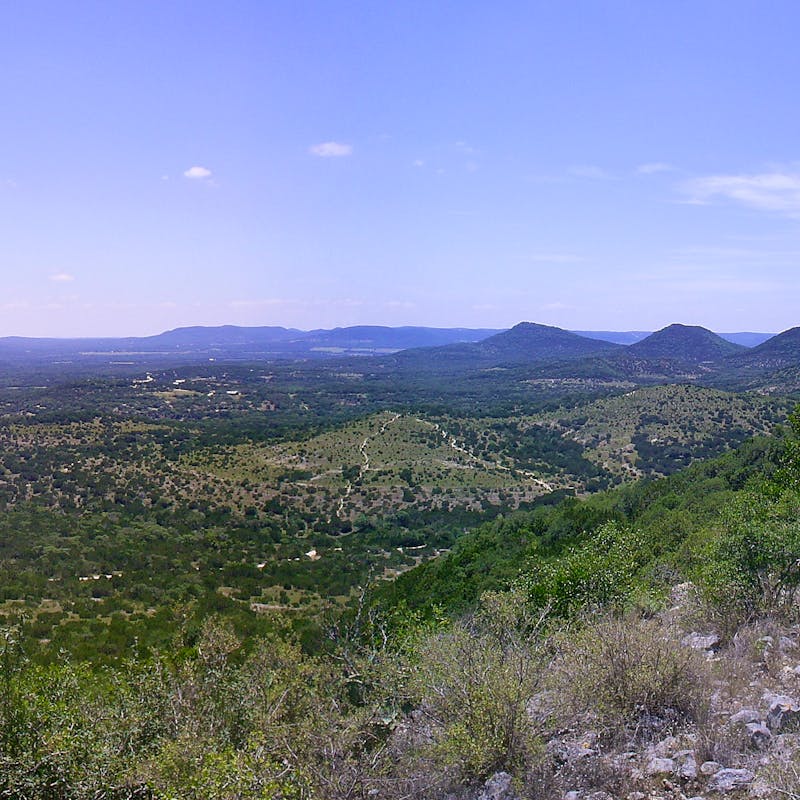
What’s the draw, for a songbird, to Austin? Austin is the meeting point for four different ecosystems in Texas: the Hill Country to the west, Post Oak Savannah to the east, Blackland Prairies to the north and Tamaulipan thorn forest to the south. Each represents prime habitat for different songbirds.
Texas is part of the Central Flyway, which is like a bird highway for species migrating between the Canadian Arctic and the Gulf of Mexico. Approximately one out of every three birds migrating through the U.S. in spring, and one of every four in the fall pass through Texas.

Both factors put Austin at a prime spot to attract a major diversity of migratory and residential birds.
A Shared Home in Need of Protecting
The greatest threats to our songbirds are loss of habitat from rapid development and outdoor cats. An estimated average of 2.4 billion birds are killed by outdoor — both feral and free-roaming — cats annually. An additional estimated 1 billion U.S. bird deaths occur annually from collisions with buildings and structures. The good news is, both Austinites and visitors to the great city can help.
Plant and maintain native trees in your yard to help provide food and shelter for nesting birds during the springtime. It’s also important to not cut down native trees unless you absolutely must, because many birds favor mature trees. These plants will also help liven up your home and are often easier to care for because they are adapted to the local environment. Cat owners can additionally help by keeping their fur-babies indoors.

Everyone can also participate in Lights Out, Texas! and turn off non-essential lights between 11 p.m. and 6 a.m. to prevent fatal window collisions.
Austin displays pride for its bird residents through a variety of events. One of the most unique being the Annual Songbird Festival during the fourth weekend of April at the Balcones Canyonlands National Wildlife Refuge. The event includes expert-led field trips through restricted refuge areas and great opportunities to see the resident and migrating birds in Austin, including golden-cheeked warblers who are the event’s mascot. Other fun events include World Migratory Bird Day in May at Hornsby Bend and the Great Texas Birding Classic from mid-April to mid-May.

Take Pride in Your Songbird Neighbors
Imagine Austin without its inspiring musicians. Imagine the robust outdoor spaces the city boosts without the warbles and trills to cheer on the passing runners, hikers and kayakers. What would the Live Music Capital of the World sound like without its songbirds? Quiet.
The next time you take pride in being an Austinite, or even a music-loving Texan, take pride in the wild musicians who share this home with you. Partake in the festivities. Plant a tree in your favorite bird’s honor. Promote the songs and birds you love. And then, when you think you know it all about your fellow Austin songbirds, challenge yourself to learn about the other wildlife sharing our beautiful home.
What's your favorite Texas wildlife? Have an incredible songbird story? Share with us in the comments! Then, meet our next wild local in Delaware.
Author

Azalia Rodríguez-Vieth