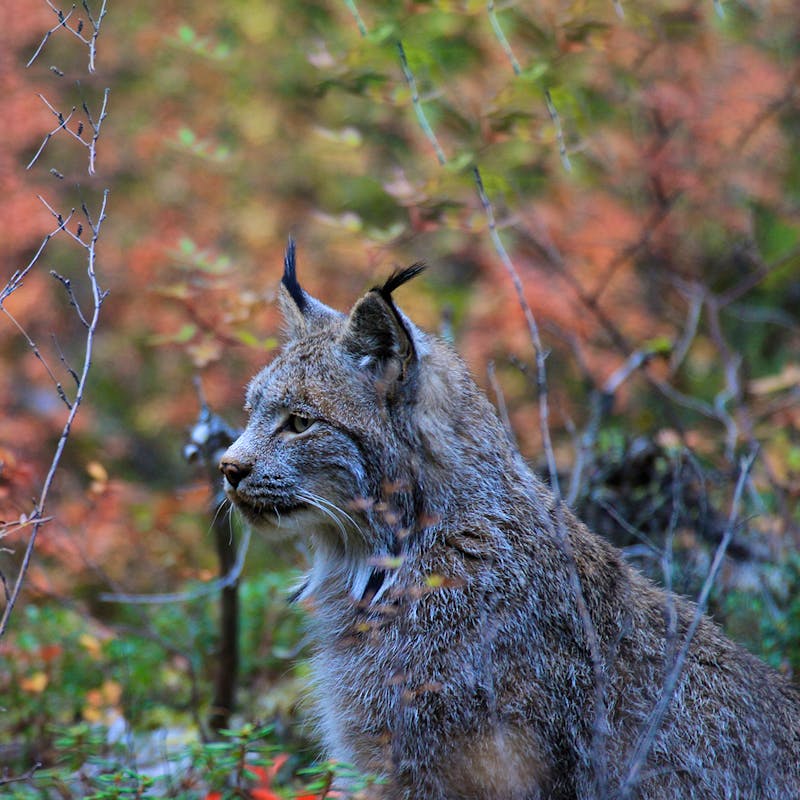
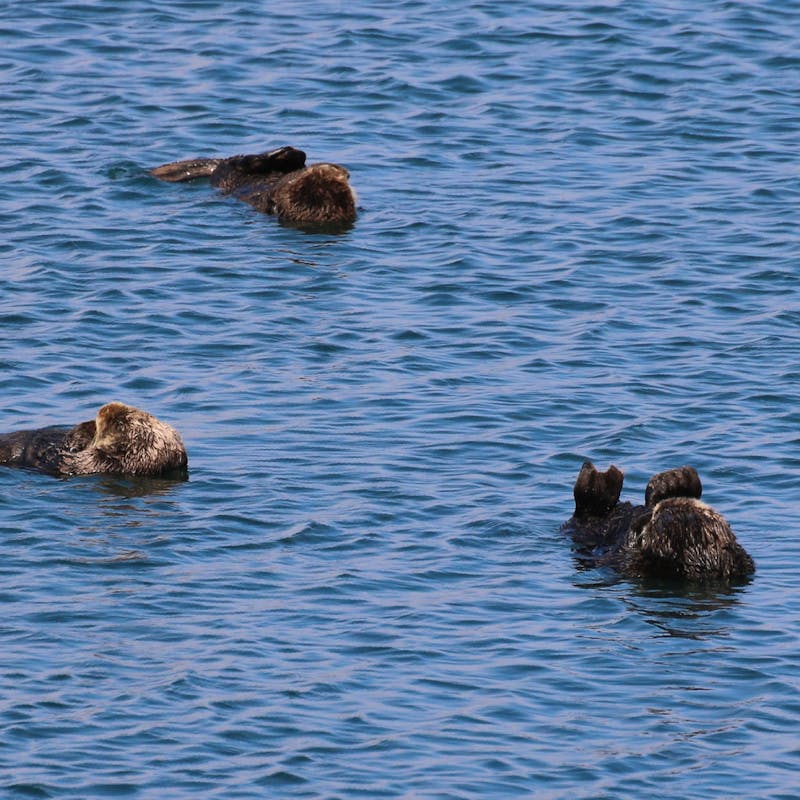
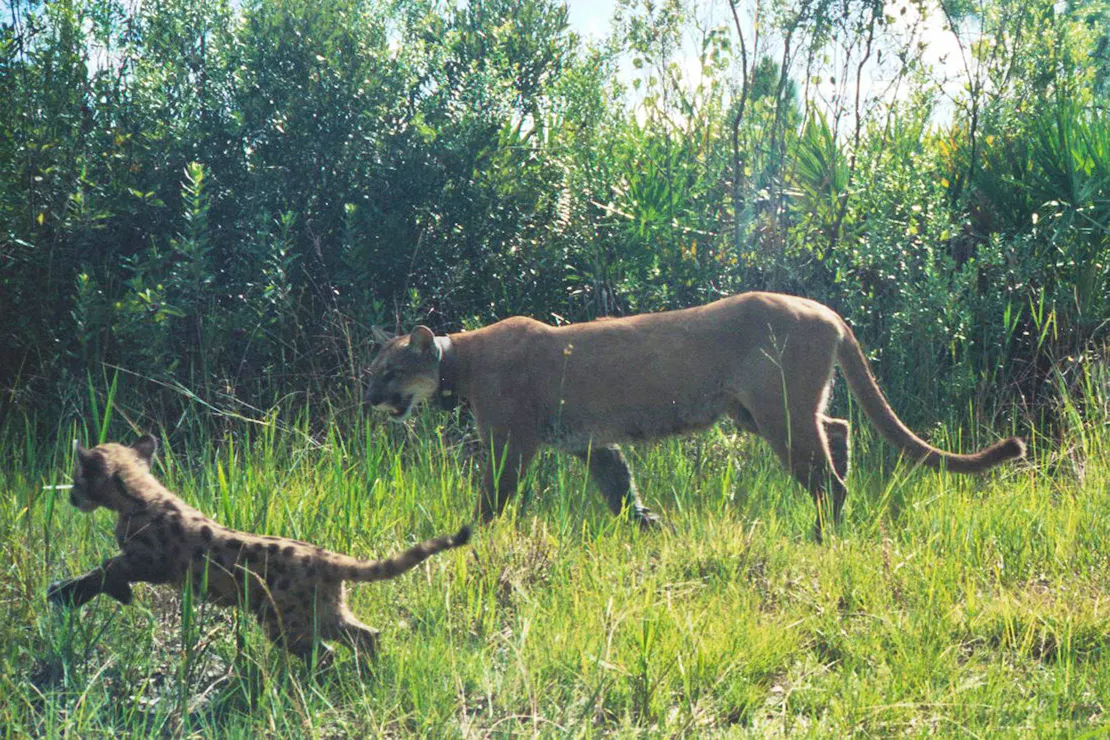
Across the West, pronghorn still migrate more than 150 miles between seasonal ranges. Monarch butterflies travel thousands of miles across the continent, generation by generation. In cold mountain forests, Canada lynx must move to find prey. In south Florida, panthers dodge highways and development just to survive. In rivers from the Pacific coast to inland headwaters, salmon need an open path from ocean to stream to complete their life cycle.
These species share one thing in common: their survival depends on movement.

Congress recently introduced the Wildlife Corridors and Habitat Connectivity Conservation Act, or Corridors Act, to give wildlife more room to roam on public lands by connecting the habitats essential to their survival. Protection without connection is not enough.
National parks, wildlife refuges, forests and public lands safeguard some of the best remaining wildlife habitat in the country. But these lands were designated one place at a time. They were never designed to function as a connected system.
This presents a major challenge to wildlife. Animals migrate to find food. They disperse to find mates. They shift ranges to survive wildfire, drought, floods and rising temperatures. But the landscapes they depend on are increasingly broken apart by roads, development and mismatched land management.

As a result, migration routes can end at jurisdictional lines. Corridors can narrow or disappear where management priorities change and management decisions made in isolation can undermine conservation efforts next door.
Even in large, well-protected places, isolation takes a toll. Scientists have documented wildlife declines and local extinctions where movement into and out of protected areas is blocked.
That is to say, wildlife does not recognize jurisdictional boundaries. Yet management often stops at them.
When this happens, animals lose access to food, mates and seasonal habitat. Populations become isolated, genetic diversity declines and extinction risk rises.
Fragmentation is not just a land problem. It is a governance problem.

What the Bill Does
Wildlife corridors link core habitat areas and keep movement routes open. In fact, scientists estimate that corridors can increase wildlife movement between habitat areas by at least 50%.
And for years, state and federal agencies have acknowledged the importance of connectivity. Policies encourage coordination and guidance promotes landscape-scale planning. But these efforts remain voluntary and inconsistent.
The Wildlife Corridors and Habitat Connectivity Conservation Act changes that.
The bill creates a national framework to identify, designate and manage wildlife corridors across federal lands. It requires agencies to coordinate when corridors cross boundaries, rather than planning in isolation. It supports collaboration with states, Tribes, private landowners and local partners. And it authorizes annual funding to move planning from just an idea to on-the-ground action.
Fundamentally, the bill focuses on connecting the lands we already have into a National Wildlife Corridors system that works for wildlife.
Why Now?
In the United States, 40% of animals are at risk of extinction and studies show that habitat loss and fragmentation are leading drivers of wildlife decline. Changing environmental conditions are accelerating the pressure on species to move. At the same time, infrastructure and development decisions continue to constrain wildlife movement.
Without a coordinated framework, agencies will keep working within silos and wildlife will keep paying the price.
The Corridors Act offers a path forward. It aligns conservation with how nature actually works. It brings agencies together. And it gives wildlife a fighting chance to move, adapt and survive.
America has already protected extraordinary places. Now Congress has the opportunity to connect them.
Author