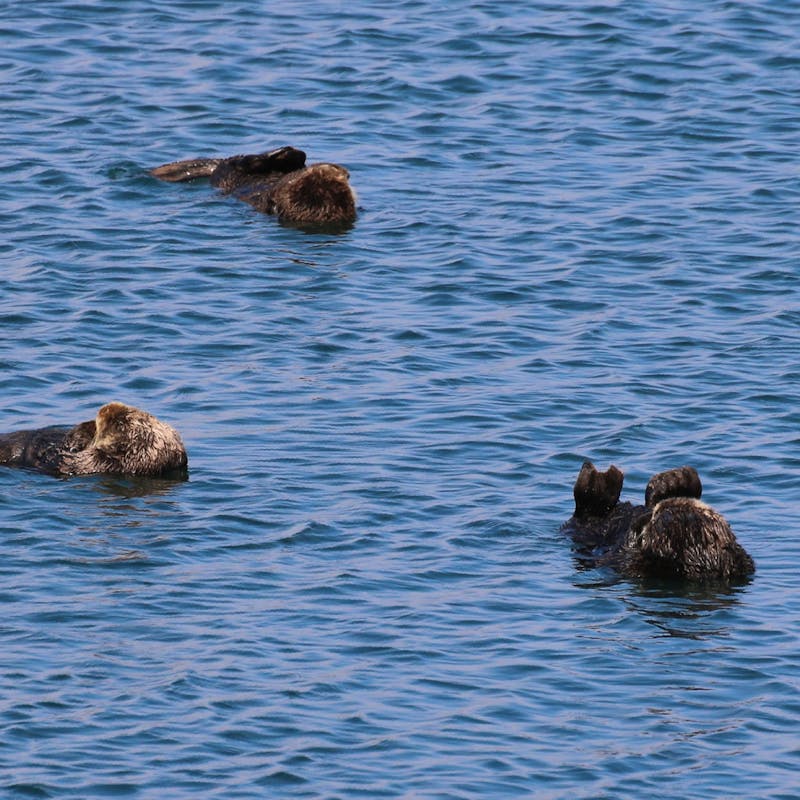
From the redwood forest to the Gulf Stream waters, communities take root in the land and in water. We live, work, laugh and grow alongside our human and animal neighbors alike. We may not know their names or always see them, but we recognize their songs, their tracks and, when they’re gone, their absence.
Arizona’s vast, protected dark skies are world-famous. The clean air and strict lighting rules allow you to see millions of bright stars and the Milky Way with just your eyes. Under the blanket of stars lies one of the most ecologically diverse landscapes in the country. You can hike the Lower Sonoran Desert, drive a few hours to pine and fir trees with panoramic views of the surrounding Sky Islands, and finish your day with an unforgettable sunset from a high alpine meadow.

Living within all these habitats are some of the most amazing animals on the planet. Gila monsters crawl across the desert rocks. Roadrunners sprint across trails and underbrush. Even the occasional male jaguar will cross the U.S.-Mexico border to utilize woodland habitats and river corridors that connect them.
Arizona is also home to the largest centipede in North America, known as the giant desert centipede, and the most endangered subspecies of wolf on the planet.

Meet the World’s Most Endangered Wolf: The Mexican Gray Wolf
Canids abound in Arizona. Locals and tourists alike may see a coyote or gray fox running across their path as they hike or stroll the copious public lands around the state. Desert explorers should also keep their eyes peeled for the well adapted kit fox who roams the area.
But Arizonans may know of a more special canid in their state: the Mexican gray wolf, or more commonly referred to by locals as “el lobo.”

Any tips for spotting el lobo?
It can be quite difficult to lay eyes on Mexican gray wolves in the wild as there are only around 300 individuals roaming southeastern Arizona and southwestern New Mexico. You can look for signs of them in the meadows and along streams within the Apache-Sitgreaves National Forest in eastern Arizona.
Before embarking on your quest, however, it’s most helpful to learn about wolf behavior, including habitat preferences and when they are most active. For example, lobos prefer to live in mountain forests, grasslands and scrublands. You may also want to familiarize yourself with wolf tracks and the differences between a deep wolf howl and a high coyote yip.

While Lobos don't migrate in the sense of moving to warmer places for the winter, they do move widely within their home range, which averages between 100 and 200 square miles. Their movements are primarily related to following their favored prey, elk. When elk move down from the high mountains to find winter plants to eat, wolves often follow.
Young wolves frequently leave their natal home ranges to travel solo for dozens of miles to find a mate and start a new family. In a few instances, solo Mexican gray wolves have traveled hundreds of miles to explore new territories.
Arizona: A Home of Past and Future Lobos
What’s the draw, for the endangered Mexican gray wolf, to Arizona? Arizona is a key part of Mexican gray wolves historic home and today serves as the center of wolf recovery efforts.

These rare wolves are the direct descents of the first wolves who migrated across the Bering Land Bridge during the Pleistocene, also known as the last Ice Age, around 1 million years ago. They are the oldest and most ancient of all gray wolves in North America.
Later migrations involved other types of gray wolves that displaced Mexican gray wolves southward into areas now known as the American Southwest, including Arizona as well as central-to-northern Mexico.
Similar to Red Wolves, Mexican gray wolves once had a much larger range than they do today. Lobos once ranged widely from central Mexico throughout the southwestern U.S. including Utah, Colorado and Texas. By the mid-1980s, however, only a handful survived in zoos. Decades of careful captive management produced enough wolves to make recovery possible. Following a massive public outreach effort, which included a 6-year public campaign led by Defenders of Wildlife, the U.S. Fish and Wildlife Service released 11 Mexican gray wolves back into the wild in Arizona in 1998.

Wildlife experts selected Arizona's Blue Range for initial wolf releases because of its abundance of water and wild prey, like elk and mule deer, relatively low road density and minimal opportunities for conflict with humans or livestock. The Blue Range also sits close to other wild lands with suitable wolf habitat, providing opportunities for juveniles to safely disperse and establish new territories to help the population toward recovery.
Today, the population is growing. The 2025 end-of-year population count documented a minimum of 317 wolves confirmed in the wild in Arizona and New Mexico combined. This includes 71 wolf packs and 26 confirmed breeding pairs.

A Shared Home in Need of Protecting
The greatest threat to endangered Mexican gray wolves is human caused mortality, such as illegal shooting and vehicle mortality. Restrictions on dispersal, like artificial boundaries including I-40 and the U.S.-Mexico border wall, politically compromised recovery goals. Limited genetic diversity, or inbreeding, pose additional threats to lobos. The good news is both Arizonans and visitors to the Grand Canyon State can help.
Voting with wildlife in mind is one of the best ways you can help. Politicians are trying to prematurely reduce Mexican gray wolves’ Endangered Species Act protections, cut off their funding and completely delist them so they can more easily be shot or hunted.

Arizonans can use their voices to ask for allocated funding for non-lethal tools and methods to reduce conflicts, like range riders or visual deterrents like flashing lights, and vote against laws or bills that attempt to reduce or remove protections. Residents can also write to local Arizona papers explaining why wolves are important to you and why they are needed to help keep forests and prey populations healthy.
Everyone can also help support Mexican gray wolves when they visit and support towns near wolf country. Stay in local motels, eat at local restaurants and shop at locally owned businesses.
Always be respectful to wildlife while you are exploring. Do not attempt to approach or feed a wild animal. Instead give them the space and respect they deserve. Pick up your trash and stay on trails to keep animals wild and everyone safe.

Arizona displays pride for lobos through several events. Lobo Week takes place in late March. There are international and statewide events throughout the week including webinars, educational panels and community presentations.
Defenders partner, Grand Canyon Wolf Recovery Project, host a bi-annual summer campout in wolf country to help people learn about and celebrate Mexican gray wolves. During this weekend event, participants camp together in the forest, develop tracking skills, listen for howls, engage with wolf biologists and tribal cooperators, and share stories and music around a campfire. The next Big Lake Howliday Weekend is tentatively scheduled for late July 2027.
Other great options to learn more about Mexican gray wolves and to see them, includes visiting the Arizona-Sonora Desert Museum in Tucson, the Phoenix Zoo or the Southwest Wildlife Conservation Center in Scottsdale. Each of these facilities has played a critical role in educating the public about lobos, supporting vital captive breeding efforts necessary to save them from extinction and assisted in ongoing efforts to recover them in the wild.

Take Pride in Your Red Wolf Neighbors
Imagine Arizona without its dark skies and blanket of stars. Imagine the diverse landscapes without life skittering across the rocks, flying between the trees and roaming among the tall grasses. What would the Grand Canyon State look like without unique and diverse residents, human and animal? Stale.
The next time you take pride in being an Arizonan, take pride in the wild souls who share this home with you. Be respectful to the wild animals with whom you share the trails and lands. Be a voice for the voiceless and speak up for the continued protection of wildlife, like Mexican Gray wolves, and their homes. And then, when you think you know it all about your fellow Arizonan wolves, challenge yourself to learn about the other wildlife sharing our beautiful home.
What's your favorite Arizona wildlife? Have an incredible Mexican gray wolf story? Share with us in the comments! Then, meet our next wild locals in Florida.
Author

Craig Miller