Tweet“One million species are threatened by extinction,” said Bart Johnsen-Harris, senior government relations representative, Defenders of Wildlife. “We have lost nearly 3 billion birds since 1970. We are facing an extinction crisis fueled, in part, by a climate crisis. It is time for Congress to act by fully funding restoration and conservation efforts.”
Today, 146 organizations called on Congress to fund specific programs administered by U.S. Forest Service and Bureau of Land Management (BLM) that conserve and recover species headed for extinction.
The Earth is facing the sixth mass extinction, with overwhelming scientific evidence demonstrating exceptionally rapid loss of biodiversity over the last few centuries that is expected to continue or accelerate unless transformative action is taken.
The BLM and the Forest Service manage approximately 20% of the country’s land base, providing habitat for hundreds of species listed under the Endangered Species Act (ESA) and thousands of at-risk species. These agencies have long been deprived of the funding they need to adequately conserve and restore imperiled species.
In the letter delivered to Congress, conservation groups wrote that given “…the enormity, urgency, and complexity of the extinction crisis and the importance of BLM and USFS lands in contributing to solutions, we respectfully ask for FY22 funding levels for programs that specifically address the extinction crisis and restore resilient ecosystems.”
Groups have requested increased funding for the threatened and endangered species programs at each agency, BLM’s plant conservation and restoration program, and research and development and planning departments that enable science-based solutions to the global biodiversity crisis.
Conservationists have expressed concerns about the growing loss in biodiversity.
“One million species are threatened by extinction,” said Bart Johnsen-Harris, senior government relations representative, Defenders of Wildlife. “We have lost nearly 3 billion birds since 1970. We are facing an extinction crisis fueled, in part, by a climate crisis. It is time for Congress to act by fully funding restoration and conservation efforts.”
In addition to requesting that Congress increase funding for public lands programs that support the restoration of threatened and endangered species, groups also requested that each of these programs receives dedicated funding improving transparency, tracking and accountability.
“With extinctions accelerating, it is vital that Congress demand that our federal land management agencies spend the targeted species funds effectively,” advised Johnsen-Harris. “It’s imperative that the programs are completely transparent and accountable to Congress and the public.”
Reps. Diana DeGette and Ruben Gallego are leading a similar letter for the U.S. House of Representatives and we expect to see the letter in the coming weeks.
The BLM has a significant responsibility to protect threatened and endangered species. The agency manages habitat for 337 wildlife and plant species listed as threatened or endangered under the ESA and another 11 species identified as candidates for listing on 245 million surface acres and 700 million subsurface acres. BLM lands include habitat for iconic species like the California condor, Desert tortoise and snowy plover.
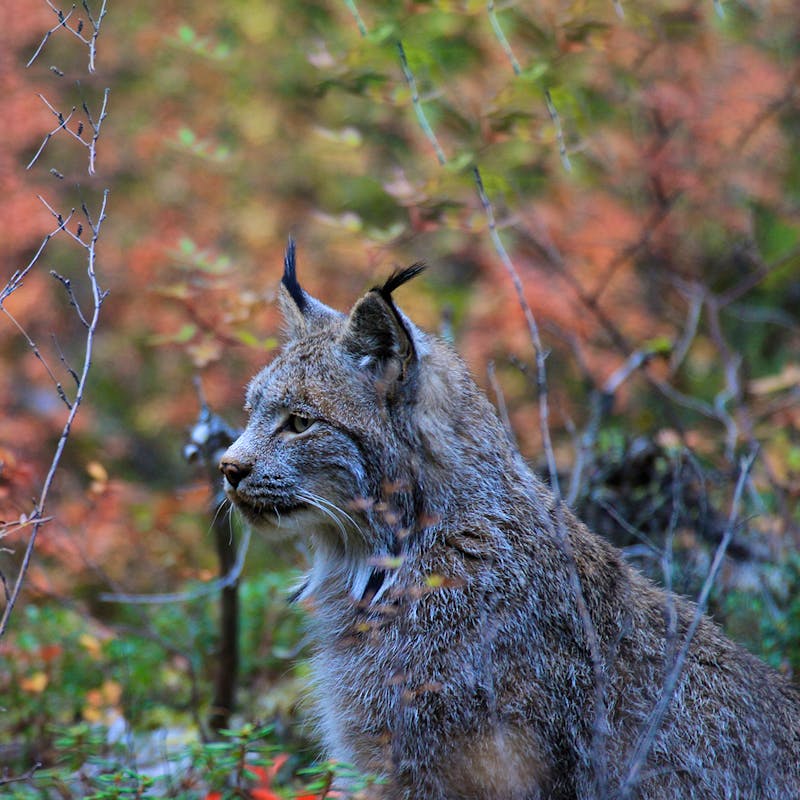
As manager of about 193 million acres of public lands and species habitats, the Forest Service plays a key role in the conservation and recovery of at-risk species as well. Many depend on Forest Service lands from well-known species like the black-footed ferret, Canada lynx and northern spotted owl to lesser-known plants and insects.
For nearly 80 years, Defenders of Wildlife has worked to protect and restore America’s wildlife at risk of extinction, advancing a vision of a future in which wildlife thrives, sustained by broad public support and a resilient network of healthy lands and waters. With a network of more than 2 million supporters, Defenders is an advocate for innovative solutions to safeguard wildlife for generations to come. To learn more, please visit https://defenders.org/newsroom or follow us on Instagram @defendersofwildlife.
Media Contact
Related


News

BLM Prepares Illegal Move to Open Ouray National Wildlife Refuge to Oil & Gas, a Dangerous Precedent for Wildlife
