
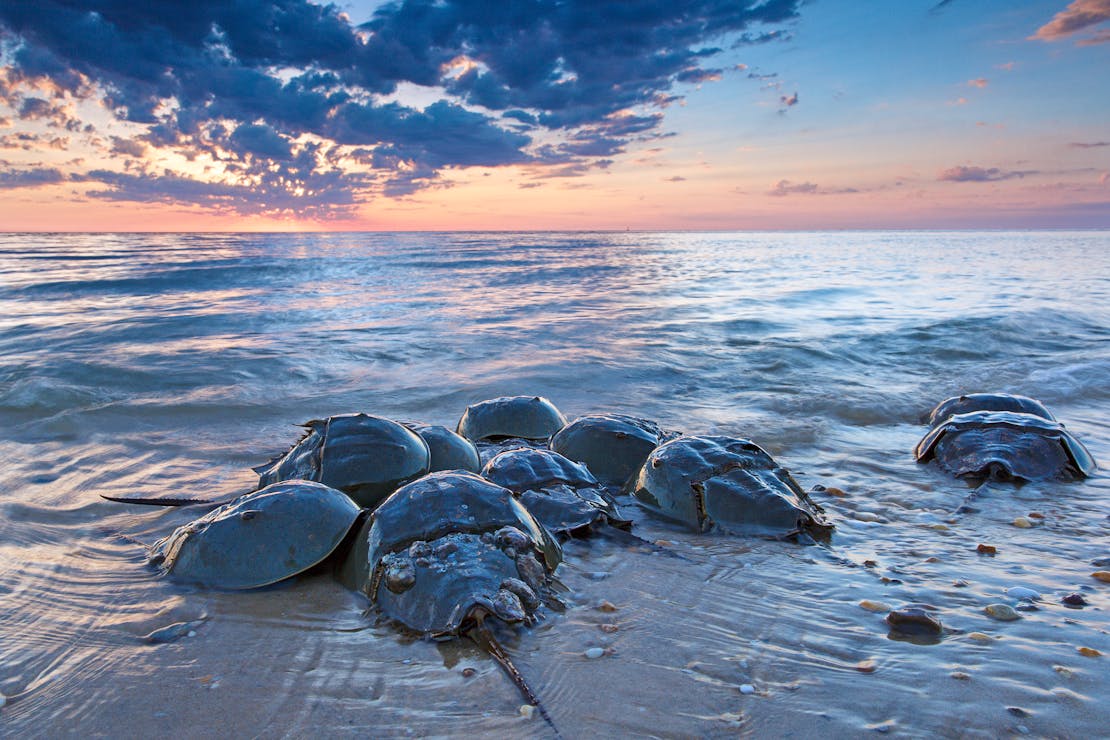
TweetAfter decades of overharvesting of horseshoe crabs, wildlife can now find true sanctuary in Cape Romain. It's a welcome reprieve for the many species relying on Cape Romain's beaches and marshes, including migratory shorebirds counting on the horseshoe crab eggs to fuel their long journeys.
The U.S. Fish and Wildlife Service today issued its final compatibility determination halting the commercial harvest of horseshoe crabs in Cape Romain National Wildlife Refuge during the crabs’ spawning season, recognizing that the practice is incompatible with the purposes of the refuge and the mission of the National Wildlife Refuge System. This news comes in response to a lawsuit brought by the Southern Environmental Law Center and Defenders of Wildlife.
“This decision marks the first time a federal agency has curtailed the crab harvest because of its impact on the red knot,” said Catherine Wannamaker, Senior Attorney at the Southern Environmental Law Center. “Today’s decision is a victory for horseshoe crabs, red knots, and anyone who enjoys Cape Romain for its unique and special wildlife.”
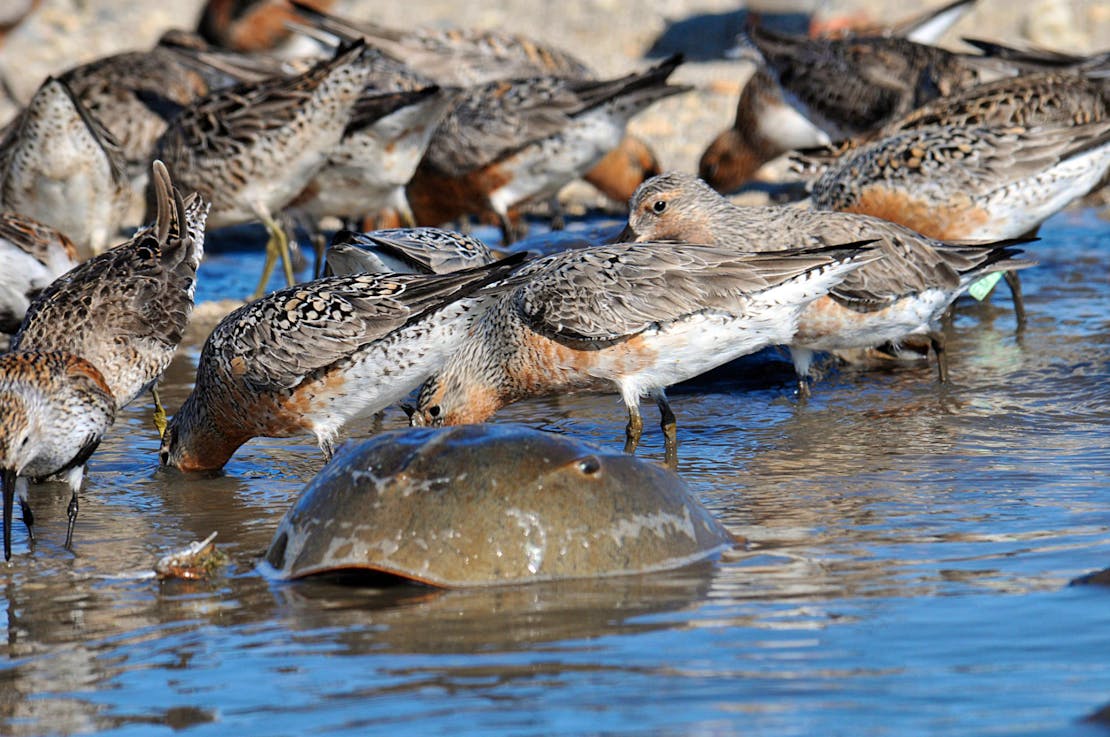
Cape Romain provides priceless habitat for loggerhead sea turtles, seabirds, and 22 species of shorebirds, including the threatened red knot, which stops on South Carolina’s coast each spring to feed on horseshoe crab eggs along its transpolar journey to the Arctic. At the same time as the birds’ arrival, a Massachusetts-based company harvests the spawning crabs to use their blood in biomedical testing, denying the birds access to the eggs and threatening its survival. This harvest continues despite the existence of a synthetic alternative to the crab’s blood used by companies like Eli Lilly.
"After decades of overharvesting of horseshoe crabs, wildlife can now find true sanctuary in Cape Romain," said Ben Prater, Southeast Program Director for Defenders of Wildlife. "It's a welcome reprieve for the many species that rely on Cape Romain's beaches and marshes, including migratory shorebirds that count on the horseshoe crab eggs to fuel their long journeys. This is a historical conservation milestone for Cape Romain National Wildlife Refuge."
The South Carolina Attorney General’s Office last week filed suit in federal court challenging the federal agency’s jurisdiction over Cape Romain National Wildlife Refuge, claiming the Service has no authority to protect the refuge’s wildlife, including shellfish such as horseshoe crabs, from harmful harvesting activities.
“Surely the Attorney General has more important work to do than spend taxpayer dollars to undermine wildlife protections in a federal wildlife refuge,” said Wannamaker.
A recent consent order in another case brought by SELC, Defenders of Wildlife, and the Coastal Conservation League closed South Carolina’s critical red knot feeding beaches to horseshoe crab harvesting this season. Together with these critical beach protections, the Service’s action to close Cape Romain provides South Carolina with some of the strongest protections against horseshoe crab harvesting in the country.
###
The Southern Environmental Law Center is one of the nation’s most powerful defenders of the environment, rooted in the South. With a long track record, SELC takes on the toughest environmental challenges in court, in government, and in our communities to protect our region’s air, water, climate, wildlife, lands, and people. Nonprofit and nonpartisan, the organization has a staff of 200, including more than 100 attorneys, and is headquartered in Charlottesville, Va., with offices in Asheville, Atlanta, Birmingham, Chapel Hill, Charleston, Nashville, Richmond, and Washington, D.C. southernenvironment.org
For nearly 80 years, Defenders of Wildlife has worked to protect and restore America’s wildlife at risk of extinction, advancing a vision of a future in which wildlife thrives, sustained by broad public support and a resilient network of healthy lands and waters. With a network of more than 2 million supporters, Defenders is an advocate for innovative solutions to safeguard wildlife for generations to come. To learn more, please visit https://defenders.org/newsroom or follow us on Instagram @defendersofwildlife.


Related


News

BLM Prepares Illegal Move to Open Ouray National Wildlife Refuge to Oil & Gas, a Dangerous Precedent for Wildlife
